
Presenting the Kanneh-Masons: 60 Minutes Explores the World’s Most Musical Family
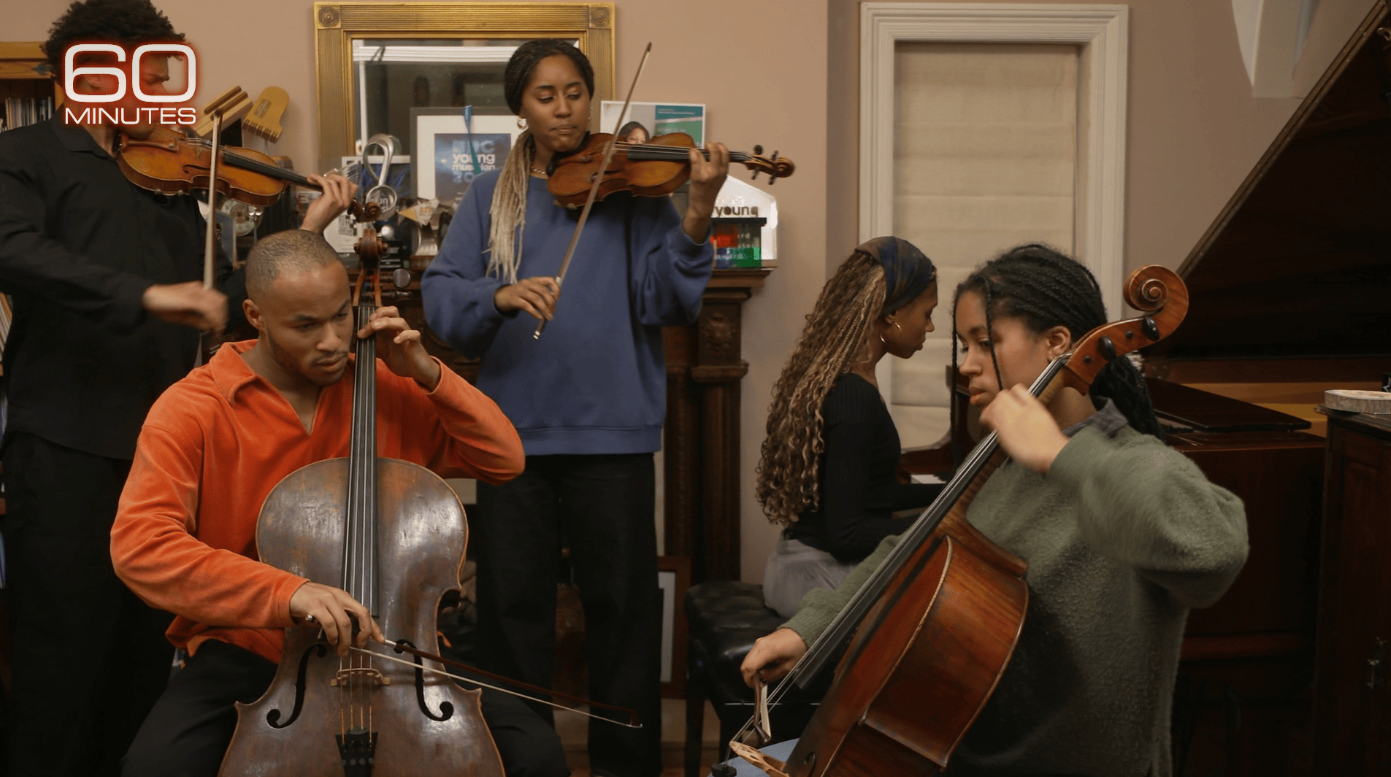
60 Minutes correspondent Jon Wertheim traveled to Nottingham, England, for a profile unlike any other. His destination: the home of the Kanneh-Mason family, a group of seven siblings—each under 30—who are all accomplished classical musicians. Their story is one of extraordinary talent, relentless discipline, and deep familial support. What makes this family stand out isn’t just their musical accomplishments, but how they’ve built an ensemble rooted in love and unity.
Though each sibling has carved out their own artistic path, together they form a force in classical music that has captured international attention. From solo performances with prestigious orchestras to collaborations with global icons, the Kanneh-Masons are not only making classical music more accessible—they’re reshaping its future.
- 60 Minutes Reports on “Inside CECOT” & “The Sherpas of Everest” December 21 2025
- Inside CECOT: 60 Minutes Investigates the Hidden Cost of a Controversial Deportation Policy
- The Sherpas of Everest: 60 Minutes Explores a New Generation Redefining Mountaineering
Roots and Rhythm: How It All Began
The Kanneh-Mason family story begins in Nottingham with parents Stuart Mason, a business executive originally from Antigua, and Dr. Kadiatu Kanneh, a former university lecturer born in Sierra Leone. Neither were professional musicians, but they fostered an environment rich in curiosity, structure, and encouragement. Early on, music became more than a hobby for the children—it was a central part of their daily lives.
With limited resources but boundless dedication, the family prioritized music education. Instruments were rented or borrowed. Lessons were carefully scheduled. Practice sessions became daily rituals. The result? An astonishing outcome: all seven children—Isata, Braimah, Sheku, Konya, Jeneba, Aminata, and Mariatu—have gone on to achieve musical distinction, many of them training at the Royal Academy of Music or the Royal College of Music.
From Viral Stardom to Global Recognition
Sheku Kanneh-Mason, the third eldest, became a household name in 2018 when he performed at the wedding of Prince Harry and Meghan Markle. His performance of “Ave Maria” captivated millions of viewers and introduced the wider world to his extraordinary cello playing. But that breakout moment was just one chapter in a much larger narrative.
The family has since appeared on numerous television specials, recorded several albums, and toured internationally. Their debut album as a collective, Carnival, featured poems read by Michael Morpurgo and Olivia Colman, blending music with storytelling. With each public appearance, they challenge conventional views of what classical musicians look like—and who classical music is for.
Breaking Barriers and Building Bridges
Beyond the beauty of their music lies a powerful message about representation. The Kanneh-Masons have become symbols of cultural inclusion in a genre historically dominated by Eurocentric norms. Their presence and success are encouraging young musicians from diverse backgrounds to believe they belong in concert halls and music schools.
Their commitment also extends to outreach and education. The family frequently speaks about the importance of access to music lessons for all children, regardless of background. They’ve worked with organizations such as London Music Masters and helped raise funds to support music programs in schools and communities that lack resources.
A Future Composed in Unity
What stands out most in Wertheim’s report is the visible, unshakable bond between the siblings. Whether performing together or apart, they approach their work with a sense of shared purpose. Their home, full of instruments and laughter, serves as a reminder that excellence doesn’t emerge from isolation, but from collective effort.
As the Kanneh-Masons continue to ascend the world’s greatest stages, they remain grounded by their family values and a clear mission: to spread the joy of classical music far and wide. 60 Minutes captured more than their performances—it captured their essence.
Final Notes
In a time when classical music sometimes struggles to attract younger or more diverse audiences, the Kanneh-Masons offer a fresh vision of what the genre can be. They are not only talented musicians, but also cultural ambassadors, educators, and pioneers.
Their story is a crescendo of love, discipline, and inspiration—and it’s far from reaching its final movement. As 60 Minutes reveals, the Kanneh-Masons are an orchestra not just of instruments, but of heart, heritage, and hope.
More 60 Minutes December 21 2025
- 60 Minutes Reports on “Inside CECOT” & “The Sherpas of Everest” December 21 2025
- Inside CECOT: 60 Minutes Investigates the Hidden Cost of a Controversial Deportation Policy
- The Sherpas of Everest: 60 Minutes Explores a New Generation Redefining Mountaineering
- Presenting the Kanneh-Masons: 60 Minutes Explores the World’s Most Musical Family