Maduro: 60 Minutes Investigates the Stunning Fall of Venezuela’s Strongman
The January 4, 2026 broadcast of 60 Minutes opens with a seismic development on the world stage—the capture of Venezuelan President Nicolás Maduro and his wife, Cilia Flores, during a dramatic overnight U.S. military operation. Scott Pelley leads the explosive report, offering a deep dive into the years-long international investigation and the consequences now facing the couple. This special report replaces the previously scheduled “Boom Chicago” segment and takes center stage amid breaking news.
A Sudden Arrest Years in the Making
The arrest of Nicolás Maduro marks a turning point not just for Venezuela, but for U.S. foreign policy in Latin America. After years of defying international pressure, Maduro was captured in what appears to be a highly coordinated American military mission. The operation, executed in the early hours of January 4, occurred amid heightened tensions following new accusations of human rights abuses and narco-corruption.
Though shocking, this moment was a long time coming. Maduro rose to power after the death of Hugo Chávez in 2013 and quickly faced global condemnation for consolidating power, jailing political opponents, and overseeing Venezuela’s economic collapse. His government has been accused of turning the country into a mafia state, with reports linking top officials—including Maduro and Flores—to drug trafficking and money laundering.
The 2020 Indictment That Set the Wheels in Motion
Back in March 2020, the U.S. Department of Justice indicted Maduro on charges of narco-terrorism, drug trafficking, and corruption, alleging that he and his regime facilitated the shipment of hundreds of tons of cocaine to the U.S. These charges stemmed from years of investigative work by U.S. federal agencies, including the Drug Enforcement Administration (DEA).
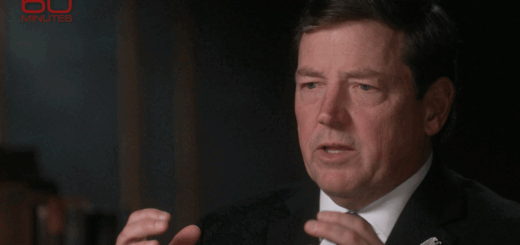
60 Minutes brings in Sandy Gonzalez, a former DEA special agent instrumental to the case. Gonzalez provides firsthand insight into the scale and complexity of the criminal networks that Maduro allegedly protected and profited from. The indictment also targeted several high-ranking Venezuelan officials, and today’s events suggest a renewed commitment by the U.S. to act on those charges.
High-Stakes Diplomacy and Hostage Negotiations
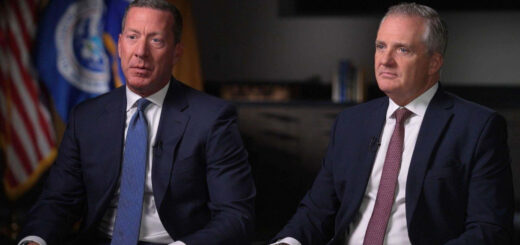
Also featured in the segment is Roger Carstens, former Special Presidential Envoy for Hostage Affairs under both the Trump and Biden administrations. Carstens discusses the broader implications of the Maduro regime’s hostage diplomacy—using detained Americans as bargaining chips in international negotiations.
This tactic earned Venezuela additional scrutiny and led to backchannel talks over prisoner swaps and diplomatic thawing, often with stalled results. Carstens underscores how Maduro’s arrest may reshape how the U.S. approaches future hostage situations and closed regimes.
The Senate’s Perspective: A Call for Action
U.S. Senator Mark Kelly joins the conversation to outline what happens next. As a member of the Senate Armed Services and Foreign Relations Committees, Kelly emphasizes the need for swift international coordination. He highlights how this moment could galvanize support for democratic movements in Venezuela and prompt a reassessment of regional alliances.
Kelly warns, however, that the arrest will not instantly resolve Venezuela’s political vacuum or its humanitarian crisis. With a population battered by hyperinflation, food shortages, and mass migration, the road to stability will be long and complex.
The Road Ahead for Venezuela
As the dust settles on this historic moment, questions remain about what comes next for Venezuela. Who will step into the power vacuum? Will loyalists resist with violence or seek asylum abroad? And will the international community rally around democratic reforms or fall back into political gridlock?
Maduro’s capture is a symbolic and strategic victory for the U.S., but the consequences for Venezuela will unfold over months and possibly years. For millions of Venezuelans, this could be a moment of cautious hope—if institutions can be rebuilt and trust restored.
60 Minutes delivers an in-depth, timely examination of a story that could redefine the future of Latin America. With unparalleled access and authoritative voices, this broadcast sets the stage for a global reckoning with dictatorship, justice, and democracy.
More 60 Minutes January 4 2026
- 60 Minutes Reports on “Here Come the Humanoids”, “Boom Chicago” & “Alysa Liu” January 4 2026
- Maduro: 60 Minutes Investigates the Stunning Fall of Venezuela’s Strongman
- Here Come the Humanoids: 60 Minutes Explores the Rise of AI Robots in the Real World
- Boom Chicago: 60 Minutes Explores the Dutch Comedy Theater Behind America’s Funniest Stars
- Alysa Liu: 60 Minutes Explores the Skating Prodigy’s Stunning Return at Age 20