Here Come the Humanoids: 60 Minutes Explores the Rise of AI Robots in the Real World
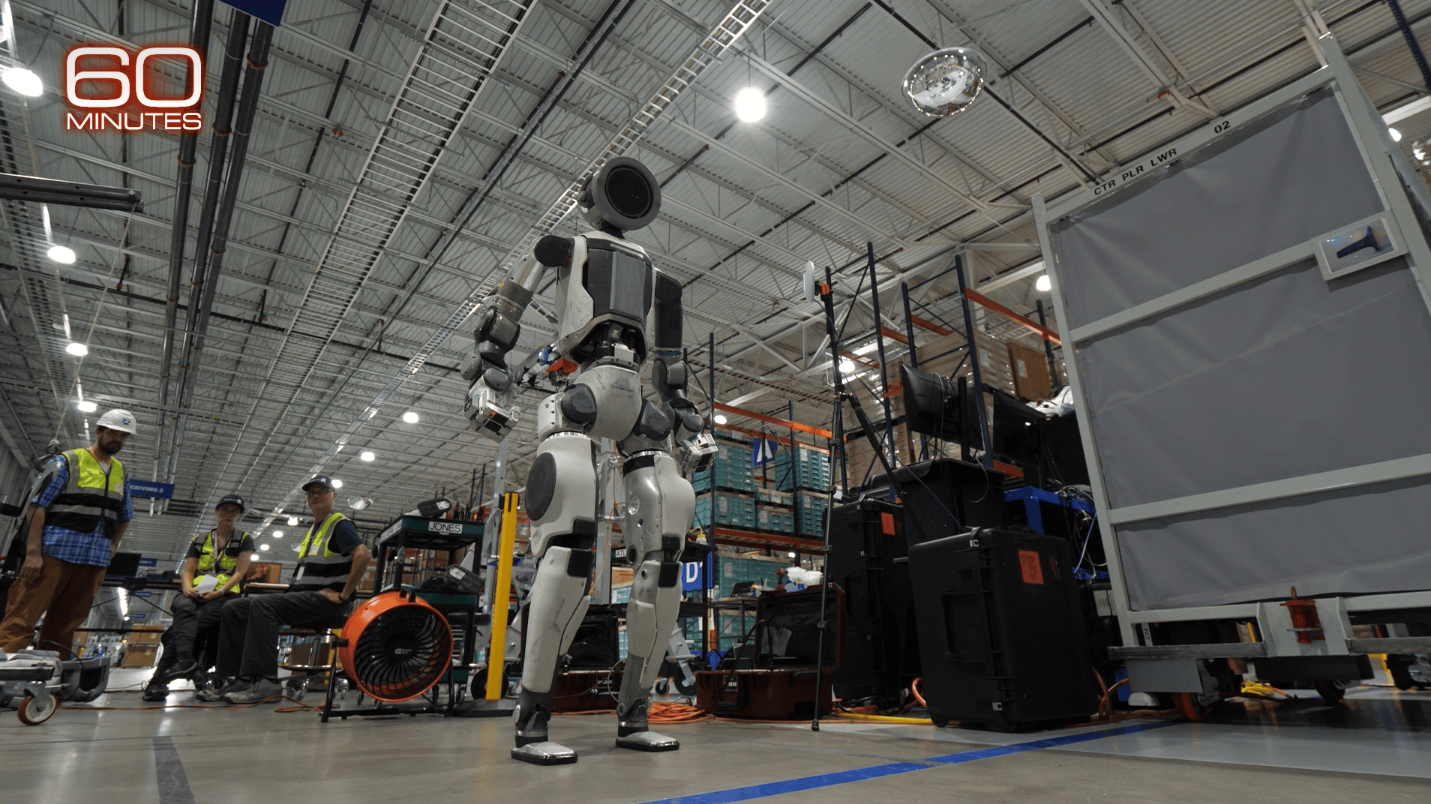
The future once imagined in science fiction is steadily becoming a reality, and 60 Minutes is on the front lines. In the first segment of the January 4, 2026 episode, correspondent Bill Whitaker visits Savannah, Georgia, where Boston Dynamics’ latest humanoid robot, Atlas, is no longer just a lab prototype. With artificial intelligence guiding its movements and decisions, Atlas is stepping into a new role: working shoulder to shoulder with humans in a functioning Hyundai automotive factory. The segment dives deep into the latest robotics advancements, offering a glimpse at a world where machines aren’t just tools—they’re evolving coworkers.
The story is more than just a showcase of a robot’s capabilities. It raises timely questions about automation, labor, and the ethical complexities of integrating AI-powered machines into human spaces. As technology accelerates, 60 Minutes explores not only the cutting-edge innovation behind these robots but the broader social and economic implications of their rise.
- 60 Minutes Reports on “Here Come the Humanoids”, “Boom Chicago” & “Alysa Liu” January 4 2026
- Maduro: 60 Minutes Investigates the Stunning Fall of Venezuela’s Strongman
- Boom Chicago: 60 Minutes Explores the Dutch Comedy Theater Behind America’s Funniest Stars
- Alysa Liu: 60 Minutes Explores the Skating Prodigy’s Stunning Return at Age 20
A New Chapter in Robotics Innovation
At the center of the segment is Atlas, a humanoid robot developed by Boston Dynamics, the same company behind the viral videos of robots dancing, jumping, and backflipping. While these videos often amuse and impress online audiences, Atlas’s deployment at Hyundai’s plant in Savannah marks a critical turning point. For the first time, a humanoid robot is not just demonstrating skills in a controlled environment—it’s learning, adapting, and performing tasks in a real-world manufacturing setting.
Boston Dynamics began developing Atlas more than a decade ago, with early prototypes focused primarily on mobility and agility. Initially backed by DARPA, the U.S. Defense Advanced Research Projects Agency, the robot was created to assist in disaster response. Over time, its purpose expanded as its capabilities grew. Now equipped with a suite of sensors, machine vision, and AI-based decision-making, Atlas can pick up tasks through trial, error, and reinforcement learning.
Why Hyundai and Why Savannah?
The choice of Hyundai’s Savannah facility is no accident. The plant, part of a $5.5 billion investment in clean mobility and robotics, represents Hyundai’s broader commitment to future-proofing its operations. The automaker acquired Boston Dynamics in stages beginning in 2020, eventually taking majority ownership by 2021. This partnership aims to integrate robotics across Hyundai’s supply chain—from warehouse logistics to vehicle assembly.
Savannah’s new factory is also symbolic of the U.S. South’s growing role in the next wave of advanced manufacturing. With its vast space, relatively low labor costs, and tax incentives, the region is fast becoming a hotspot for automakers and tech companies. The 60 Minutes segment captures this transition, with Atlas’s presence serving as a bellwether for how new technology will shape the workforce in these growing industrial corridors.
Beyond Pre-Programming: Teaching Robots to Learn
What sets Atlas apart from older industrial robots is its ability to learn. Traditional robots require pre-programmed instructions, often performing one repetitive task with high precision. Atlas, however, uses artificial intelligence to observe, experiment, and refine its actions. This means it can take on more complex roles—such as sorting parts, handling tools, or navigating new layouts—without needing a human to reprogram it each time.
Bill Whitaker’s reporting highlights how Atlas isn’t just copying human behavior—it’s interpreting its environment in real time. Through trial-and-error learning methods similar to how a child learns to walk or grasp objects, the robot improves through feedback, using data to adjust its movements and make smarter decisions. This development hints at a future where robots become generalists, not just specialists—able to work in multiple settings with minimal human intervention.
How Will This Impact Jobs and Human Workers?
With machines that look and move like humans entering real workspaces, questions naturally arise about the implications for human employment. The 60 Minutes segment doesn’t shy away from this. Whitaker speaks to engineers and analysts who acknowledge that while robots like Atlas can boost productivity and fill in gaps where labor is scarce, they may also displace workers in certain sectors.
However, the narrative isn’t just one of replacement. Experts argue that humanoid robots could help solve labor shortages in aging societies and reduce human exposure to dangerous or physically demanding tasks. The key, they suggest, lies in retraining and rethinking the human-robot relationship. Rather than viewing these machines as threats, the workforce of the future may come to see them as partners—augmenting human capabilities rather than replacing them entirely.
Ethical Considerations and the Road Ahead
As with any leap forward in AI, the deployment of humanoid robots brings ethical questions into sharper focus. Should robots have limits on where they can work and what tasks they can perform? Who is responsible if a robot causes harm? And how can society ensure that technology doesn’t outpace regulation?
The segment offers a balanced look at these dilemmas. While showcasing Atlas’s technical brilliance, 60 Minutes also raises critical questions about governance, privacy, and accountability. As humanoid robots move from novelty to necessity, the conversation around their use will only become more urgent.
A Glimpse Into Tomorrow’s Factory Floor
“Here Come the Humanoids” isn’t just a tech story—it’s a window into the rapidly changing nature of work, innovation, and human ambition. By capturing Atlas in action, 60 Minutes provides a rare view of a milestone in robotics history. The story marks a shift from speculation to application, from research labs to factory floors.
Whether embraced with optimism or met with caution, the rise of intelligent humanoids is here. With companies like Hyundai and Boston Dynamics leading the way, and journalism like 60 Minutes documenting the journey, the world is watching—and preparing—for what comes next.
More 60 Minutes January 4 2026
- 60 Minutes Reports on “Here Come the Humanoids”, “Boom Chicago” & “Alysa Liu” January 4 2026
- Here Come the Humanoids: 60 Minutes Explores the Rise of AI Robots in the Real World
- Boom Chicago: 60 Minutes Explores the Dutch Comedy Theater Behind America’s Funniest Stars
- Alysa Liu: 60 Minutes Explores the Skating Prodigy’s Stunning Return at Age 20