
The Dog Aging Project: 60 Minutes Reports on a 50,000-Dog Study
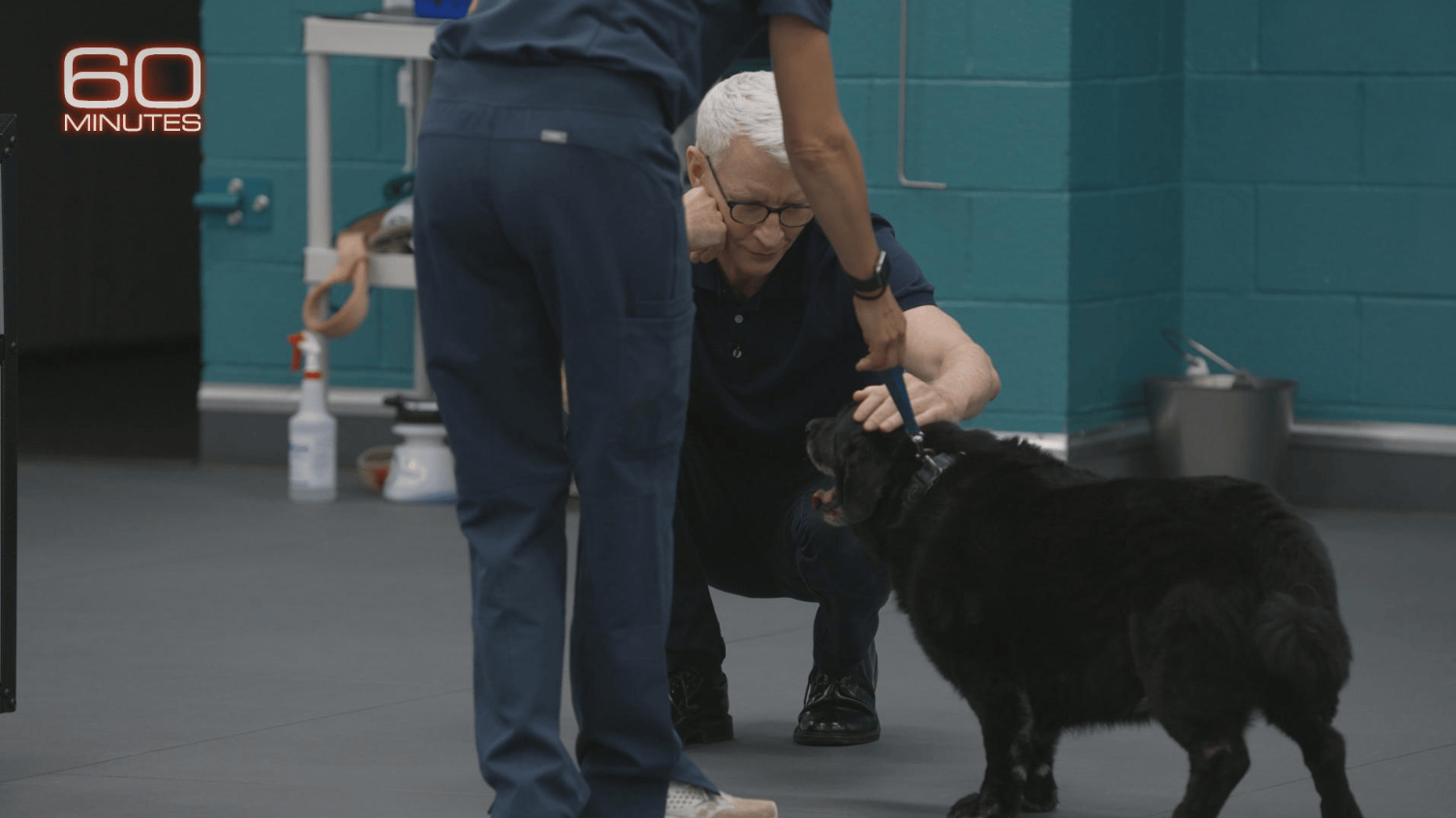
The March 22, 2026 episode of 60 Minutes concludes with “The Dog Aging Project,” a report that turns to science and medicine in search of answers about one of life’s most universal processes. Correspondent Anderson Cooper explores a nationwide research effort that is using dogs to better understand aging, disease, and longevity. The segment highlights how insights gained from household pets could influence the future of human health.
- 60 Minutes Reports on “Elemental Crisis”, “Turning the Ship Around” & “The Dog Aging Project” on March 22 2026
- Elemental Crisis: 60 Minutes Investigates America’s Rare Earth Race
- Turning the Ship Around: 60 Minutes Investigates America’s Shipbuilding Decline
Understanding the Science of Aging
Aging remains one of the most complex areas of medical research. While advances have been made in treating individual diseases, scientists continue to face challenges in understanding the broader biological processes that drive aging itself. Conditions such as Alzheimer’s disease, cancer, and heart disease often emerge later in life, making aging a central factor in overall health outcomes.
Researchers are increasingly focusing on how genetics, environment, and lifestyle interact over time. Instead of studying diseases in isolation, many scientists are now examining aging as a system-wide process. This shift in approach has led to new research models, including the use of animals whose biological traits closely resemble those of humans.
Why Dogs Are Central to the Research
Dogs have become a valuable focus for aging studies due to their unique relationship with humans. They share living environments, are exposed to similar environmental factors, and develop many of the same age-related diseases. Their shorter lifespans also allow researchers to observe the full progression of aging within a more practical timeframe.
In addition, dogs exhibit a wide range of genetic diversity across breeds, which provides a rich dataset for scientific analysis. Their brain structures and cognitive functions show notable similarities to those of humans, making them particularly useful in studying neurological conditions. These factors have positioned dogs as an important bridge between laboratory research and human clinical studies.
The Scope of the Dog Aging Project
The Dog Aging Project is one of the most ambitious studies of its kind, involving more than 50,000 dogs across the United States. Owners voluntarily enroll their pets, providing detailed information about health, diet, activity, and living conditions. This large-scale data collection allows researchers to track patterns and identify factors that influence aging and disease.
The project combines observational data with targeted scientific investigations. Some dogs participate in clinical trials that test potential interventions aimed at extending healthy lifespan. By analyzing both everyday data and controlled experiments, researchers hope to build a comprehensive understanding of how aging works across different populations.
Implications for Human and Canine Health
The findings from the Dog Aging Project have the potential to benefit both humans and animals. By identifying biological pathways linked to aging, scientists may be able to develop treatments that delay or prevent age-related diseases. This could lead to longer periods of good health rather than simply extending lifespan.
For dogs, the research offers the possibility of improved veterinary care and a better quality of life in later years. For humans, the parallels in disease progression and brain function provide a valuable model for testing new therapies. The segment emphasizes that the connection between people and their pets extends beyond companionship, offering a shared path toward medical discovery.
A New Direction in Longevity Research
“The Dog Aging Project” reflects a broader shift in how scientists approach the study of aging. Instead of focusing only on individual conditions, researchers are working to understand the underlying mechanisms that affect the entire body over time. This approach has the potential to transform how aging is treated in both medical and everyday contexts.
The 60 Minutes report presents this research as both practical and forward-looking. By studying animals that live alongside humans, scientists are gaining insights that may shape the future of healthcare. The segment closes with a view of aging not only as a challenge, but as an opportunity for discovery that could improve life for generations to come.
More 60 Minutes March 22 2026
- 60 Minutes Reports on “Elemental Crisis”, “Turning the Ship Around” & “The Dog Aging Project” on March 22 2026
- Elemental Crisis: 60 Minutes Investigates America’s Rare Earth Race
- Turning the Ship Around: 60 Minutes Investigates America’s Shipbuilding Decline
- The Dog Aging Project: 60 Minutes Reports on a 50,000-Dog Study
More Feature Articles
- “Murder She Wrote: The Kouri Richins Trial”: 20/20 Reports March 20 2026
- “Under the Bay Bridge”: Dateline Reports on Bob Lee Homicide March 20 2026
- “What the Neighbors Saw”: 48 Hours Reports on Gary Herbst Homicide March 21 2026
- 60 Minutes Reports on “Elemental Crisis”, “Turning the Ship Around” & “The Dog Aging Project” on March 22 2026







I smell BS. What kind of Fauci science project is this?
– Are they going to cut their voice box and stick their head in a box filled with mosquitos? Why didn’t they show those images?
– What are the side effects? Increase risk of infection of the perineum or increased risk of suicide? There is always side effects.
– Why not perform the testing on Cats? Don’t want to offend your target audience much.
– Why not just out source the testing to China? What could go wrong.
My best friend is experiencing doggie dimensia . She’s a 14 year old malshipoo. We love her so much but she can’t live forever. Is there a way to donate her to the program. It would help us and maybe someone else.