The Mardi Gras Indians: 60 Minutes Explores the Culture Behind the Masking Indians
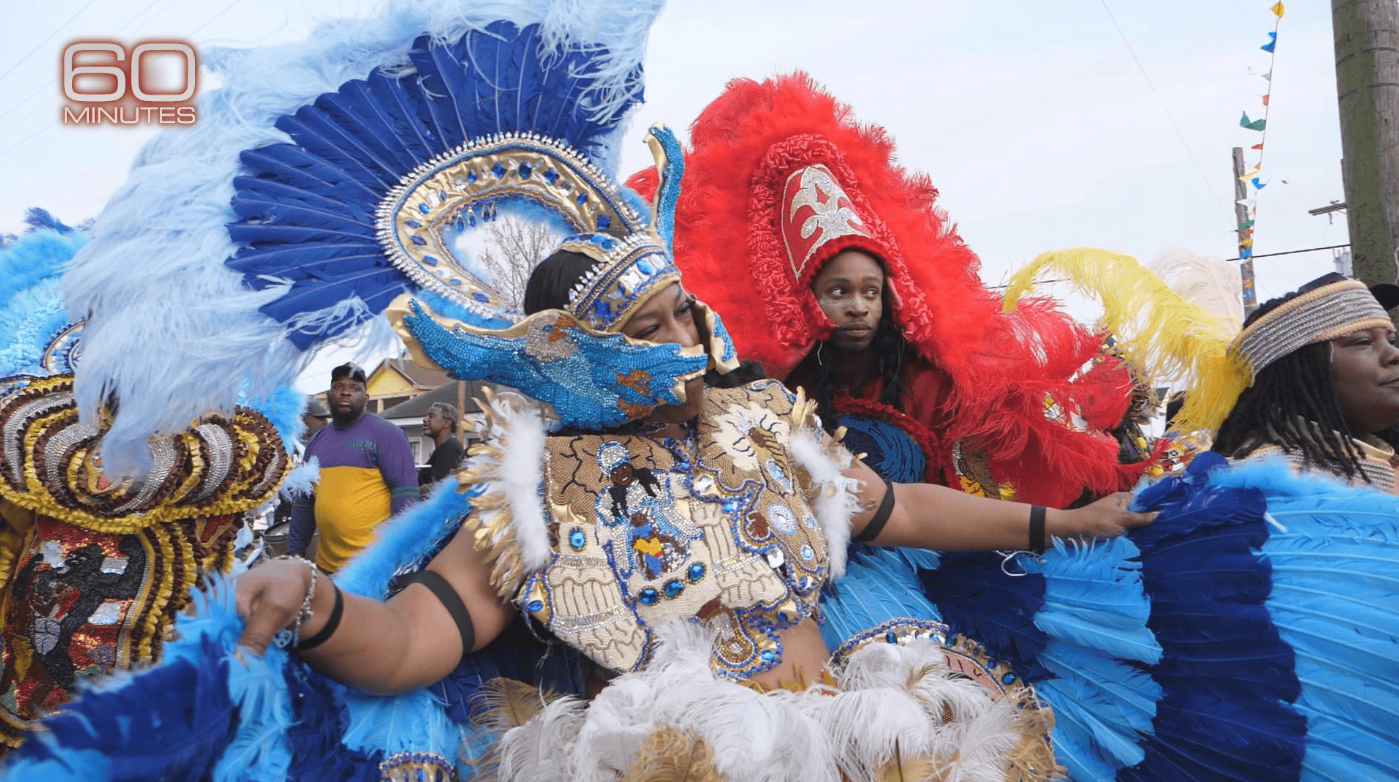
The April 5, 2026 broadcast of 60 Minutes concludes with “The Mardi Gras Indians,” a segment reported by Bill Whitaker that explores one of New Orleans’ most distinctive and deeply rooted cultural traditions. Known for their elaborate suits and secretive practices, the Mardi Gras Indians, also called Black Masking Indians, represent a living link to history, identity, and community.
Whitaker’s report brings viewers into a world that is often hidden from public view. While Mardi Gras is widely associated with parades and celebrations, this tradition unfolds in the backstreets, away from the main crowds. The segment highlights how this cultural expression has endured for generations, shaped by history and sustained through dedication.
- 60 Minutes Reports on “Return to RAM”, “Ghost Train”, “The Mardi Gras Indians” on April 5 2026
- Return to RAM: 60 Minutes Reports on the Rising Demand for Free Healthcare in America
- Ghost Train: 60 Minutes Reports on America’s High-Speed Rail Struggles
The Historical Roots of a Unique Tradition
The origins of the Mardi Gras Indians date back to at least the 19th century, emerging from the experiences of African American communities in New Orleans. The tradition is closely tied to the relationship between formerly enslaved people and Native American tribes, who are believed to have offered refuge and assistance during times of hardship.
Over time, these connections evolved into a symbolic form of tribute. Participants began creating elaborate regalia inspired by Native American dress, incorporating beadwork, feathers, and intricate designs. The suits are not only visually striking but also serve as a form of storytelling, often reflecting themes of heritage, struggle, and pride.
Despite its long history, much of the tradition has remained intentionally private. The secrecy surrounding the Mardi Gras Indians has helped preserve its authenticity, allowing it to be passed down within communities rather than shaped by outside influences.
The Craftsmanship Behind the Suits
One of the most defining aspects of the Mardi Gras Indians is the creation of their suits. Each year, members spend months designing and sewing entirely new outfits by hand. The process requires patience, skill, and a significant personal investment, as materials and time commitments can be substantial.
These suits are known for their detailed beadwork, vibrant colors, and large feathered structures. No two are alike, and each reflects the creativity and identity of its maker. The act of creating a suit is as important as wearing it, representing a year-long commitment to the tradition.
Whitaker’s report captures the dedication involved in this process, showing how craftsmanship is central to the culture. The suits are not mass-produced or reused, reinforcing the idea that each appearance is unique and tied to a specific moment in time.
Community, Identity, and Ritual
The Mardi Gras Indians are organized into tribes, each with its own leadership and traditions. Roles such as Big Chief, Spy Boy, and Flag Boy carry specific responsibilities, contributing to the structure and flow of the gatherings. These roles are often passed down through generations, strengthening community ties.
On Mardi Gras day, members take to the streets in their suits, engaging in a form of ritualized performance that includes music, chanting, and encounters with other tribes. These interactions are guided by tradition and respect, reflecting a shared cultural code that governs behavior.
The segment emphasizes how these practices serve as a means of preserving identity and fostering connection. For participants, the tradition is not only about celebration but also about honoring ancestors and maintaining a sense of continuity within the community.
Preserving Culture in a Changing City
New Orleans has undergone significant changes over the years, from economic shifts to natural disasters, yet the Mardi Gras Indians tradition has remained resilient. Maintaining this cultural practice requires ongoing effort, particularly as younger generations take on the responsibility of carrying it forward.
Whitaker’s report highlights the importance of mentorship and education within the community. Experienced members teach younger participants the skills and values associated with the tradition, ensuring that it continues to evolve while staying rooted in its origins.
The segment presents the Mardi Gras Indians as a powerful example of cultural preservation. Through their artistry, rituals, and commitment, they sustain a tradition that reflects both the history of New Orleans and the enduring strength of its communities.
More 60 Minutes April 5 2026
- 60 Minutes Reports on “Return to RAM”, “Ghost Train”, “The Mardi Gras Indians” on April 5 2026
- Return to RAM: 60 Minutes Reports on the Rising Demand for Free Healthcare in America
- Ghost Train: 60 Minutes Reports on America’s High-Speed Rail Struggles
- The Mardi Gras Indians: 60 Minutes Explores the Culture Behind the Masking Indians
More Feature Articles
- “The Neighbor From Hell”: 20/20 Reports on Ajike Owens Homicide April 3 2026
- “Temptation”: Dateline Examines the Banfield Double Murder Case April 3 2026
- “Before the Storm”: Dateline Reports on Crystal McDowell Homicide April 4 2026
- “The Root Beer Float Murder”: 48 Hours Reports on Harold Allen Homicide April 4 2026
- 60 Minutes Reports on “Return to RAM”, “Ghost Train”, “The Mardi Gras Indians” on April 5 2026