
Ghost Train: 60 Minutes Reports on America’s High-Speed Rail Struggles
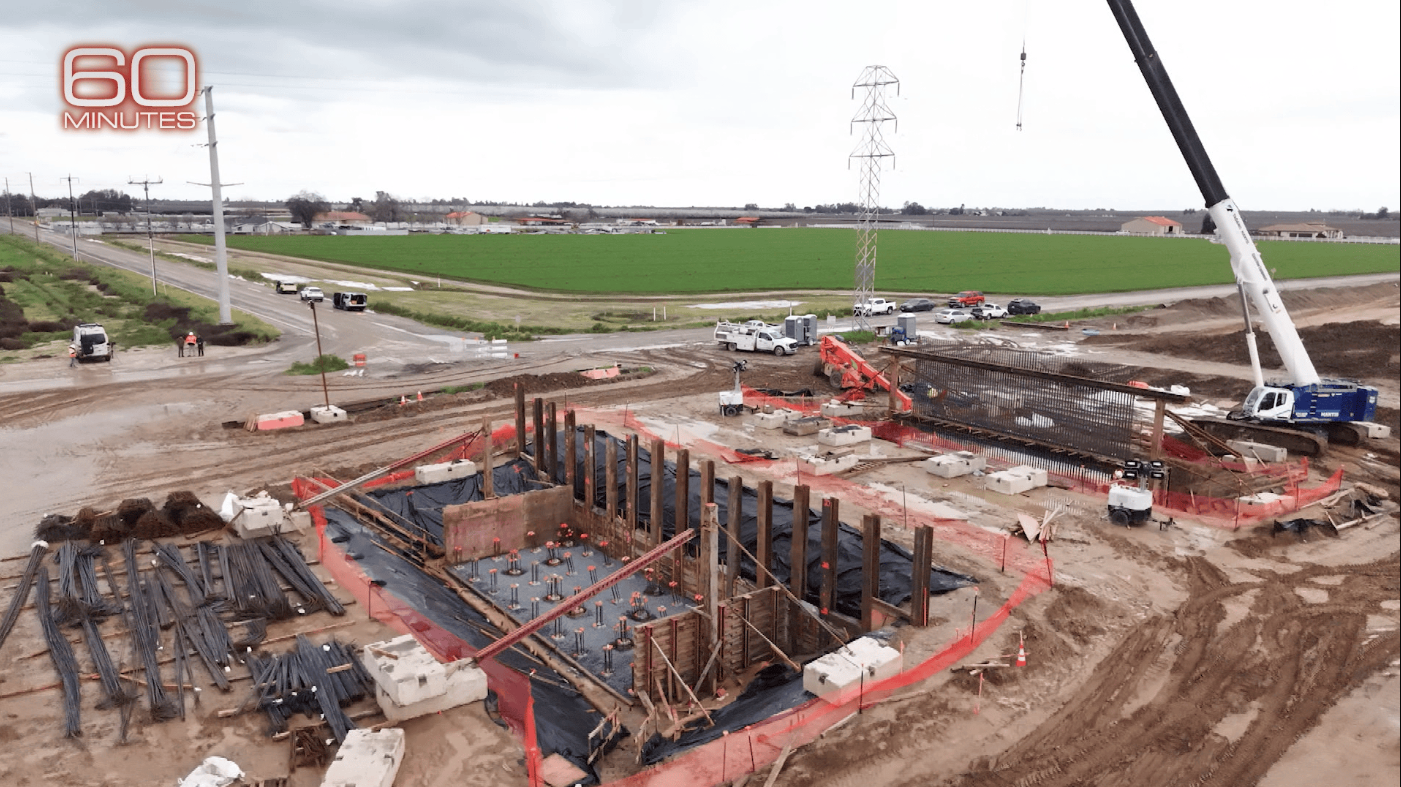
The April 5, 2026 edition of 60 Minutes continues with “Ghost Train,” a segment reported by Jon Wertheim that examines the ongoing struggle to establish high-speed rail in the United States. While countries across Europe and Asia have successfully built and expanded fast rail networks, similar efforts in the U.S. have faced repeated delays, rising costs, and political challenges.
This report centers on a high-profile rail project intended to connect Los Angeles and San Francisco, once promoted as a transformative step for transportation in California. Years after its approval, the project has become a symbol of the difficulties involved in executing large-scale infrastructure in the United States, prompting questions that extend far beyond rail travel.
- 60 Minutes Reports on “Return to RAM”, “Ghost Train”, “The Mardi Gras Indians” on April 5 2026
- Return to RAM: 60 Minutes Reports on the Rising Demand for Free Healthcare in America
- The Mardi Gras Indians: 60 Minutes Explores the Culture Behind the Masking Indians
The Global Rise of High-Speed Rail
High-speed rail has become a defining feature of modern transportation in many parts of the world. Countries such as Japan, France, and China have invested heavily in fast, efficient train systems that connect major cities and reduce reliance on cars and air travel. These networks are often praised for their speed, reliability, and environmental benefits.
In these regions, high-speed rail is not only a transportation option but also a key component of economic development. It enables faster movement of people and goods, supports regional connectivity, and often operates with strong government backing. The success of these systems has set a global standard that the United States has struggled to match.
Despite decades of discussion and planning, the U.S. has yet to develop a comparable nationwide network. Existing rail systems are slower and less comprehensive, reflecting a long-standing preference for highways and air travel over passenger rail investment.
California’s Ambitious Vision and Ongoing Challenges
The California high-speed rail project was introduced as a bold solution to the state’s growing transportation demands. Designed to link Los Angeles and San Francisco with trains capable of traveling at speeds over 300 kilometers per hour, the project promised to reduce travel times and ease congestion on roads and at airports.
However, the reality has proven far more complex. Construction delays, legal disputes, and funding uncertainties have slowed progress significantly. Costs have escalated well beyond initial estimates, and portions of the project remain incomplete. What was once expected to be operational years ago is still under development, with no clear timeline for full completion.
The segment explores how a combination of political disagreements, land acquisition issues, and shifting priorities has complicated the project. These obstacles illustrate the difficulty of maintaining momentum on long-term infrastructure initiatives, particularly in a system with multiple layers of oversight and approval.
Private Sector Efforts and New Approaches
In contrast to the state-led project, “Ghost Train” also examines a private company attempting to build a high-speed rail line using a different model. This effort aims to streamline development by reducing reliance on public funding and navigating regulatory processes more efficiently.
The private approach presents an alternative vision for how infrastructure projects might be completed in the United States. By focusing on specific routes and leveraging private investment, the company hopes to avoid some of the delays that have affected public initiatives. However, it still faces significant challenges, including securing land, meeting regulatory requirements, and gaining public support.
The segment highlights that while private involvement may offer flexibility, it does not eliminate the fundamental complexities of building large transportation systems. The success of such efforts remains uncertain, reflecting the broader difficulties inherent in infrastructure development.
What High-Speed Rail Reveals About American Infrastructure
Beyond the specifics of rail travel, “Ghost Train” raises broader questions about the state of infrastructure in the United States. The challenges faced by high-speed rail projects serve as an example of how difficult it can be to plan and execute major public works in a modern context.
The segment suggests that issues such as funding structures, regulatory frameworks, and political coordination play a significant role in determining whether projects succeed or stall. It also reflects on how public expectations and economic pressures shape decisions about long-term investments.
By examining both public and private efforts, the report presents a detailed look at the barriers to progress and the possibilities for change. High-speed rail becomes a lens through which to consider a larger issue: whether the United States can still deliver ambitious infrastructure projects in an efficient and effective way.
More 60 Minutes April 5 2026
- 60 Minutes Reports on “Return to RAM”, “Ghost Train”, “The Mardi Gras Indians” on April 5 2026
- Return to RAM: 60 Minutes Reports on the Rising Demand for Free Healthcare in America
- Ghost Train: 60 Minutes Reports on America’s High-Speed Rail Struggles
- The Mardi Gras Indians: 60 Minutes Explores the Culture Behind the Masking Indians
More Feature Articles
- “The Neighbor From Hell”: 20/20 Reports on Ajike Owens Homicide April 3 2026
- “Temptation”: Dateline Examines the Banfield Double Murder Case April 3 2026
- “Before the Storm”: Dateline Reports on Crystal McDowell Homicide April 4 2026
- “The Root Beer Float Murder”: 48 Hours Reports on Harold Allen Homicide April 4 2026
- 60 Minutes Reports on “Return to RAM”, “Ghost Train”, “The Mardi Gras Indians” on April 5 2026