Breaking the Cycle: 60 Minutes Reports on a New Legal Strategy After School Shootings
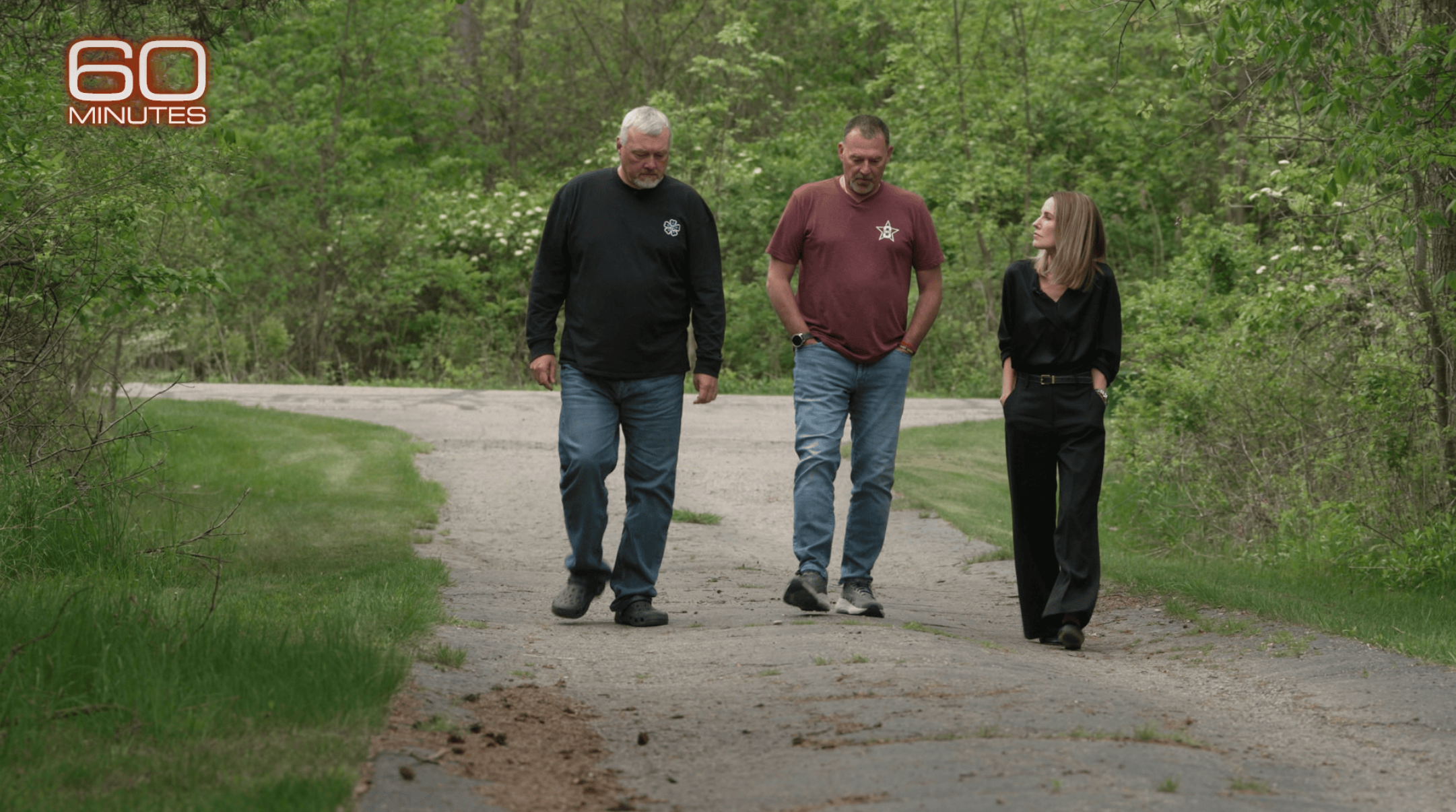
The March 1, 2026 edition of 60 Minutes closes with a report from correspondent Sharyn Alfonsi that examines a developing legal strategy aimed at preventing school shootings by holding parents criminally accountable. The segment is anchored by a current case in Barrow County, Georgia, where the father of a teenage gunman has been charged after a deadly attack at Apalachee High School that left four people dead.
Prosecutors allege that the father failed to act despite warning signs about his son’s behavior and access to a firearm. The case reflects a growing effort by authorities to examine the role adults may play when warning signs are missed or ignored. The report explores whether legal accountability for parents could influence prevention efforts and change how families respond to potential risks.
- 60 Minutes Reports on “Iran”, “Under Siege”, & “Breaking the Cycle” on March 1 2026
- Iran: 60 Minutes Reports on a Power Shift That Could Reshape the Nation
- Under Siege: 60 Minutes Investigates Rising Threats Against Federal Judges
- Growing Up Behind Walls: 60 Minutes Reports from a Sanctuary in Crisis-Torn Haiti
- Breaking the Cycle: 60 Minutes Reports on a New Legal Strategy After School Shootings
The Oxford Case That Changed the Legal Landscape
To understand the significance of the Georgia trial, 60 Minutes revisits the precedent-setting case in Oxford, Michigan. In 2021, a student carried out a mass shooting at Oxford High School, killing four classmates and injuring several others. What followed marked a turning point in how the justice system approached parental responsibility.
Both parents were charged with involuntary manslaughter, with prosecutors arguing that they ignored troubling behavior, failed to respond to school concerns, and did not properly secure the handgun used in the attack. Each parent was later convicted and sentenced to prison. The case was the first in the United States to result in criminal convictions for parents in connection with a school shooting, creating a model that other prosecutors are now examining.
Warning Signs and the Question of Responsibility
At the heart of these cases is the issue of foreseeability. Courts must determine whether parents were aware, or should have been aware, that their child posed a serious risk and whether they failed to take reasonable steps to prevent harm. Evidence often includes prior threats, behavioral changes, mental health concerns, school communications, and the accessibility of firearms in the home.
Legal analysts note that these prosecutions require a high threshold. It is not enough to show that a tragedy occurred or that parenting decisions were flawed. Prosecutors must prove criminal negligence, meaning that the failure to act was extreme enough to directly contribute to the outcome. Defense attorneys often argue that these cases risk expanding criminal liability into complex family situations that may involve mental health challenges and limited resources.
Will Accountability Change Behavior?
Supporters of this approach believe that the threat of criminal charges could encourage safer gun storage practices and more serious responses to warning signs. Advocates argue that many school shooters display concerning behavior in advance and that stronger accountability may prompt earlier intervention by families.
Others question whether post-tragedy prosecutions will have a meaningful preventive effect. Critics point to the broader factors that contribute to school violence, including access to firearms, gaps in mental health services, and the need for stronger school and community support systems. They argue that long-term prevention depends on a combination of policy, education, and early intervention rather than relying solely on criminal penalties.
A National Debate Still Taking Shape
The Georgia case highlighted in the 60 Minutes report reflects how rapidly the legal and public conversation is evolving. Prosecutors, lawmakers, and school officials across the country are closely watching these trials as they consider when parental inaction becomes criminal negligence.
The segment raises a central question that remains unresolved: whether holding parents legally responsible can help break the cycle of school shootings or whether deeper structural changes are required. As courts continue to test the boundaries of accountability, the outcomes of these cases may influence future policies on gun safety, family responsibility, and school violence prevention.
More 60 Minutes March 1 2026
- 60 Minutes Reports on “Iran”, “Under Siege”, & “Breaking the Cycle” on March 1 2026
- Iran: 60 Minutes Reports on a Power Shift That Could Reshape the Nation
- Under Siege: 60 Minutes Investigates Rising Threats Against Federal Judges
- Growing Up Behind Walls: 60 Minutes Reports from a Sanctuary in Crisis-Torn Haiti
- Breaking the Cycle: 60 Minutes Reports on a New Legal Strategy After School Shootings
More Feature Articles
- “Yogurt Shop Murders”: 20/20 Reports on A Long Awaited Breakthrough February 27 2026
- “Malice”: Dateline Reports on William “Jake” Embert Homicide February 27 2026
- “Deadly Dance”: Dateline Reports on Doug Benefield Homicide February 28 2026
- “The Dead of Night”: Dateline Reports on LaJoya McCoy Homicide February 28 2026
- “The Woman Who Died Twice”: 48 Hours Reports on Mindi Kassotis Homicide February 28 2026
- 60 Minutes Reports on “Under Siege”, “Growing Up Behind Walls” & “Breaking the Cycle” on March 1 2026