
“Is That Art?”: 60 Minutes Explores the Rise and Controversy of AI Creations
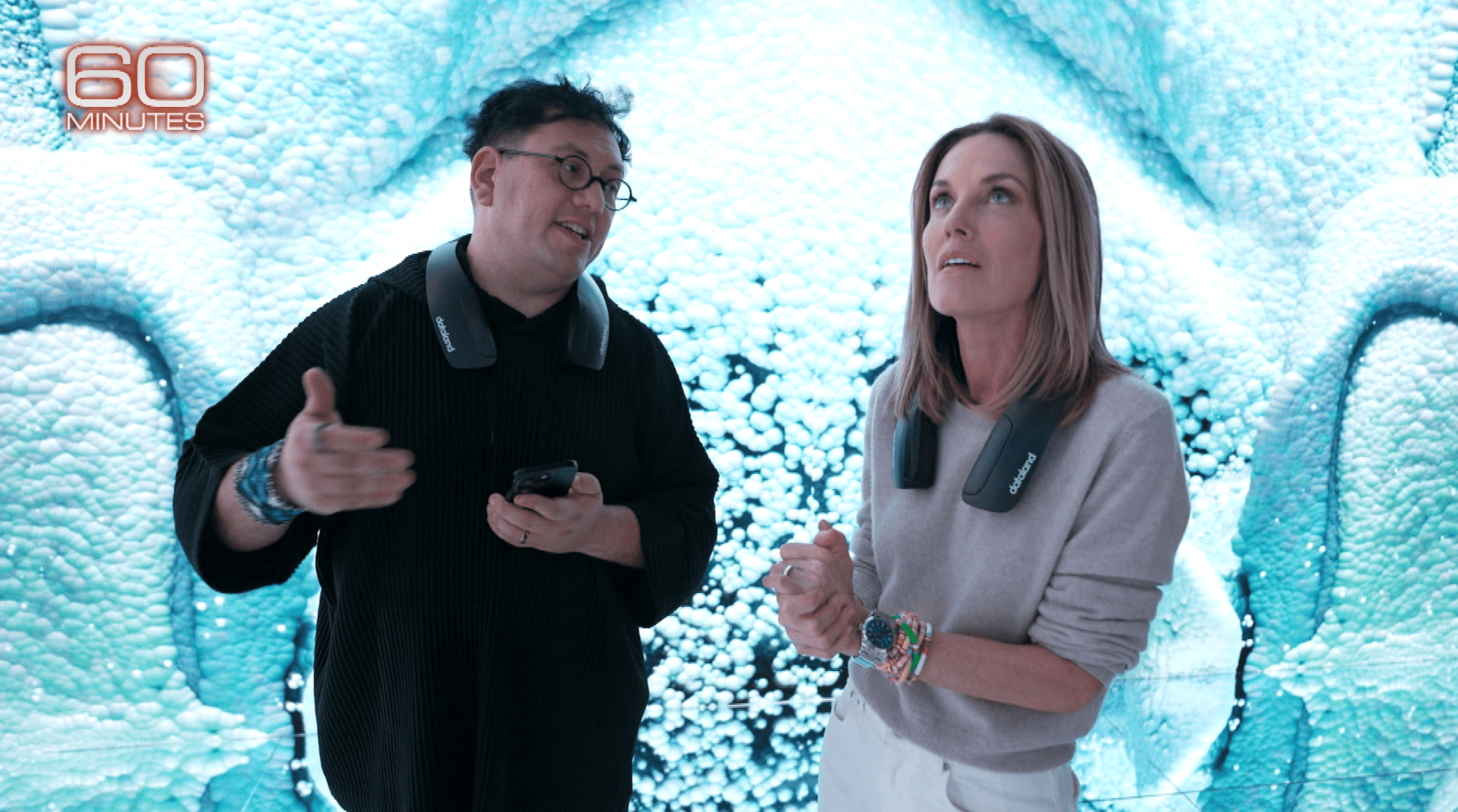
The latest 60 Minutes segment explores a growing debate that sits at the intersection of technology and creativity: the rise of artificial intelligence as a tool for making art. Once considered experimental or niche, AI-generated works are now appearing in major museums, featured in international exhibitions, and selling through respected auction houses.
Advances in machine learning have made it possible for artists and technologists to create images, videos, and immersive installations generated from vast datasets. These systems can analyze patterns, styles, and visual elements from millions of sources, producing works that range from abstract visuals to hyper-realistic imagery.
As acceptance grows within elite cultural institutions, the central question has become increasingly urgent. If a machine helps generate the work, what defines the artist, and what qualifies the result as art?
- 60 Minutes Reports on “Left Behind”, “South Africa’s Refugees” & “Is That Art?” on February 22 2026
- “Left Behind”: 60 Minutes Reports on Hunger, Hardship, and Survival in America’s Coal Country
- “South Africa’s Refugees”: 60 Minutes Investigates a Controversial Immigration Exception
Refik Anadol and a New Creative Medium
At the center of the 60 Minutes report is Refik Anadol, a Turkish-American artist widely regarded as one of the leading figures in AI-based art. Anadol’s large-scale installations transform massive amounts of data into flowing digital environments that are projected onto buildings, displayed on immersive screens, or experienced in gallery spaces.
His work often draws from datasets such as weather patterns, urban movement, museum archives, or natural imagery. Using artificial intelligence, these inputs are processed and translated into constantly shifting visual experiences that blur the line between data and artistic expression.
Supporters see Anadol’s work as part of a long tradition of artists embracing new tools, from photography to digital media. In this view, AI is simply the next evolution in creative technology, expanding what artists can imagine and how audiences experience art.
Critics Raise Questions About Originality
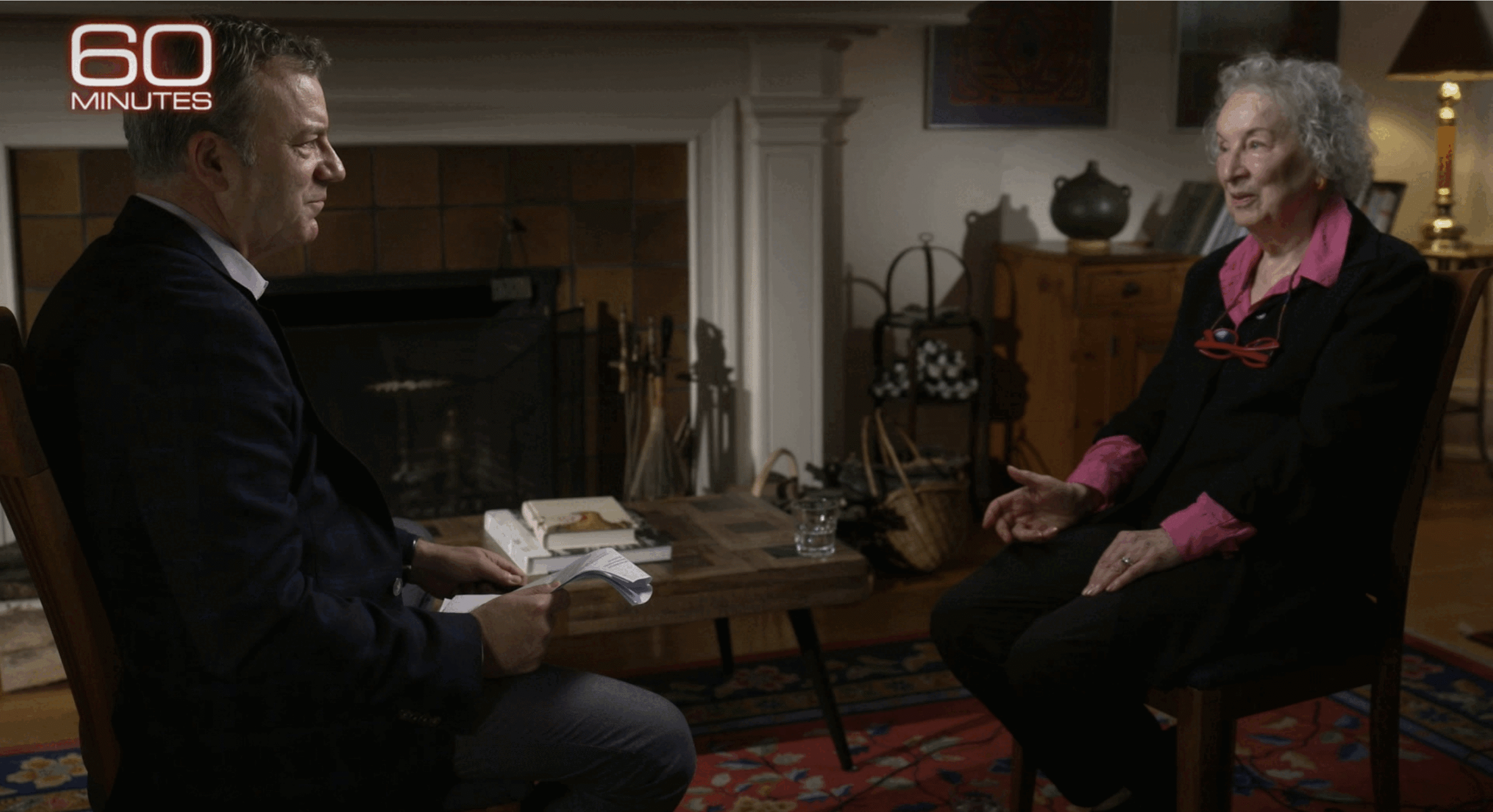
Despite growing popularity, AI-generated art has sparked strong criticism from some corners of the art world. Pulitzer Prize-winning critic Jerry Saltz and others argue that much of the work lacks depth, emotional intention, or originality.
One of the central concerns involves how AI systems are trained. Many models learn by analyzing vast collections of existing artworks, photographs, and designs, often without the explicit permission of the original creators. Some artists argue that this process amounts to large-scale copying or appropriation, raising ethical and legal questions about authorship and ownership.
For traditional artists, the concern is not only about credit but also about livelihood. If AI tools can replicate styles or produce commercial-quality work quickly and cheaply, many fear it could disrupt creative industries in ways similar to automation in other sectors.
Museums, Markets, and the Value of Art
The embrace of AI by major museums and auction houses has intensified the debate. When institutions known for curating cultural value begin exhibiting AI-generated works, it signals a level of legitimacy that influences collectors, investors, and the broader public.
Some AI artworks have already sold for significant sums, attracting both traditional collectors and technology enthusiasts. Galleries and institutions are increasingly positioning AI art within contemporary art movements, emphasizing concepts such as data, memory, and human-machine collaboration.
At the same time, curators and historians are grappling with how to evaluate these works. Questions about authorship, process, and intention complicate traditional standards used to judge artistic merit. The discussion reflects a broader shift in how art is defined in an era shaped by algorithms and automation.
Creativity in the Age of Machines
The controversy surrounding AI art reflects deeper cultural questions about creativity itself. For centuries, art has been associated with human emotion, personal experience, and individual vision. AI challenges those assumptions by introducing systems that can generate complex and visually compelling work without human hands directly shaping every detail.
Some artists are embracing AI as a collaborative partner rather than a replacement, using it to explore ideas that would be difficult or impossible to create manually. Others see the technology as a threat to the authenticity and human connection that have long defined artistic practice.
The 60 Minutes segment highlights a debate that is likely to shape the future of creative fields. As artificial intelligence continues to evolve, the art world, like many industries, must decide how to balance innovation with questions of ethics, ownership, and the enduring value of human imagination.
More 60 Minutes February 22 2026
- 60 Minutes Reports on “Left Behind”, “South Africa’s Refugees” & “Is That Art?” on February 22 2026
- “Left Behind”: 60 Minutes Reports on Hunger, Hardship, and Survival in America’s Coal Country
- “South Africa’s Refugees”: 60 Minutes Investigates a Controversial Immigration Exception
- “Is That Art?”: 60 Minutes Explores the Rise and Controversy of AI Creations
More Feature Articles
- “The Au Pair, the Affair and Murder”: 20/20 Reports on Christine Banfield & Joseph Ryan Homicides February 20 2026
- Dateline NBC Pre-Empted February 20 2026 for Winter Olympics Coverage
- “Sade Robinson and the Secret Beach”: 48 Hours Reports February 21 2026
- 60 Minutes Reports on “Left Behind”, “South Africa’s Refugees” & “Is That Art?” on February 22 2026






If one ‘s art experience is simply a visual experience than AI is art. However, if one has an experience beyond just a visual experience but rather a transcendental experience than AI is a failure. The test is time.
If one ‘s art experience is simply a visual experience than AI is art. However, if one has an experience beyond just a visual experience but rather a transcendental experience than AI is a failure. The test is time. This is not my idea. This is aesthetics.