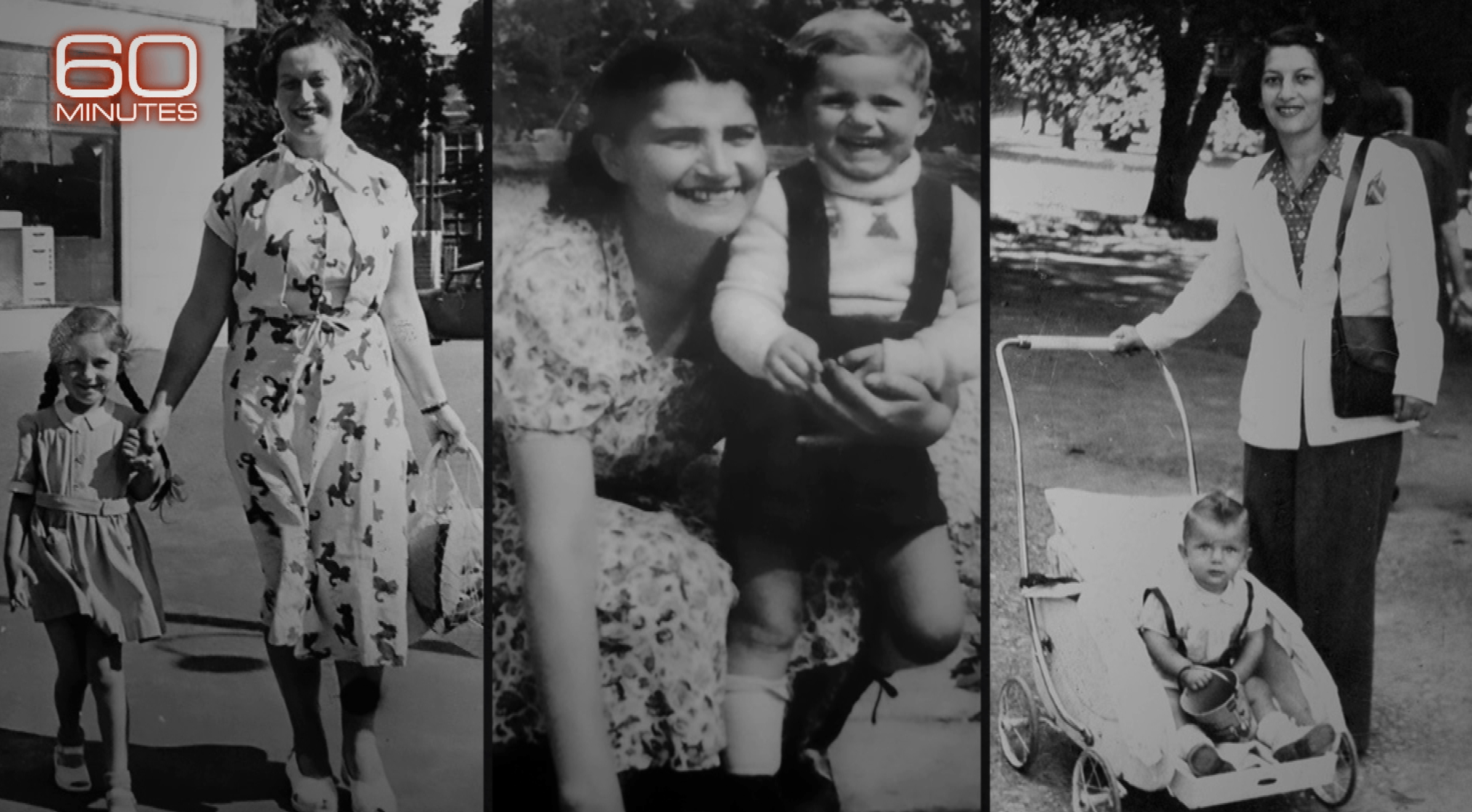
The Indomitable Margaret Atwood: 60 Minutes Explores the Life and Legacy of a Literary Icon
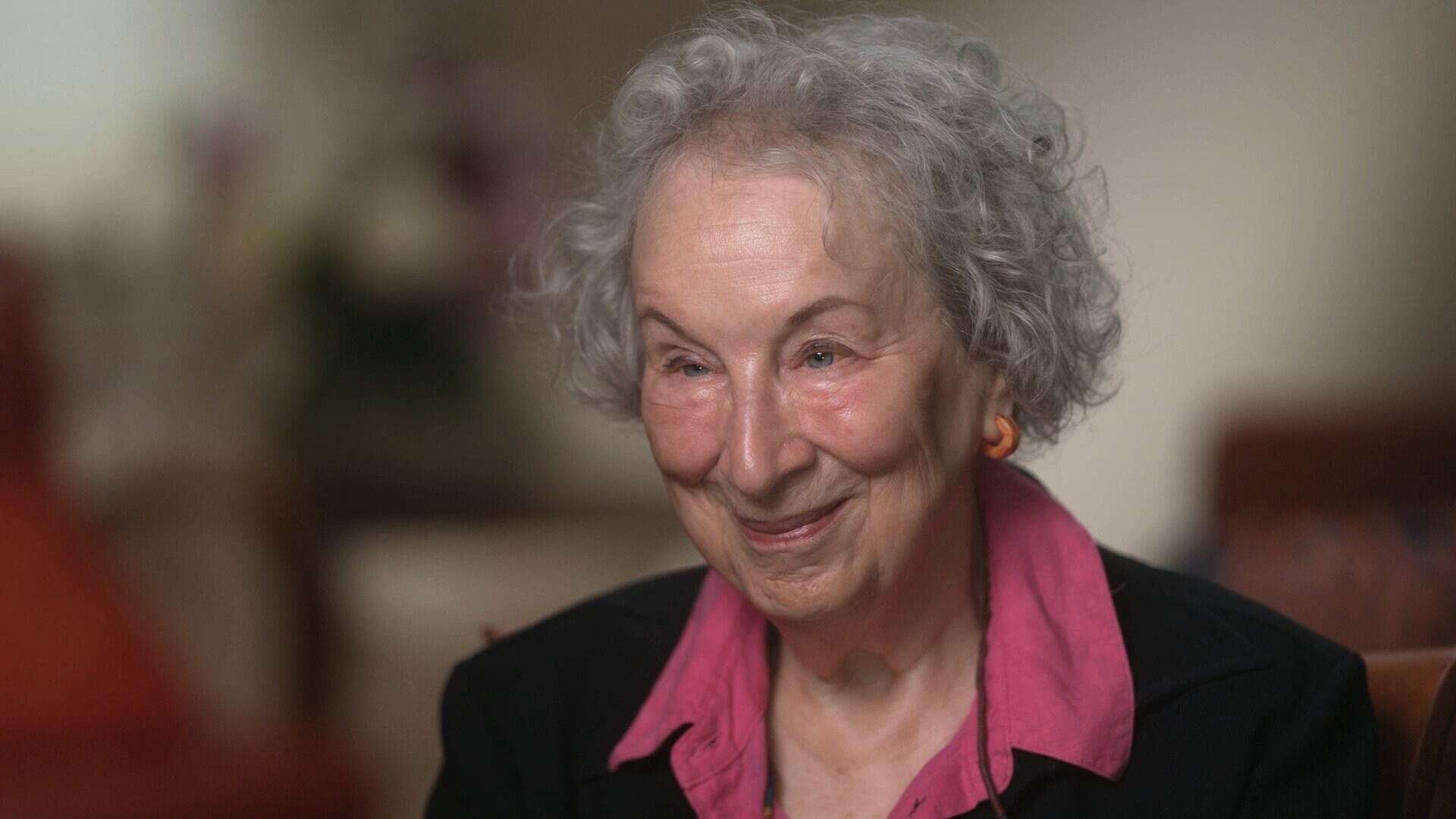
Margaret Atwood, Canada’s most celebrated literary figure, took center stage on the February 8, 2026, episode of 60 Minutes, offering an intimate look at her life, her literary legacy, and her enduring relevance in a world she’s long been writing about. At 85, Atwood remains a fierce force—witty, unflinching, and unafraid to take on censorship, authoritarianism, and her own past.
- 60 Minutes Reports on “The Indomitable Margaret Atwood”, “Knife” & “Officially Amazing” on February 8 2026
- Knife: 60 Minutes Explores Salman Rushdie’s Fight for Survival and Free Speech
- Officially Amazing: 60 Minutes Dives Into Guinness World Records’ Wacky Process
A Literary Titan Confronts the Present
Atwood sat down with correspondent Jon Wertheim in her Toronto home to reflect on her life’s work and latest memoir, Book of Lives: A Memoir of Sorts. Known for The Handmaid’s Tale, a chilling depiction of a religious totalitarian regime in the United States, Atwood has seen her work shift from speculative fiction to cultural barometer. The novel, which sold over 10 million copies and inspired an Emmy-winning series, has become a symbol of protest in an era where reproductive rights are under siege.
But Atwood’s dystopian lens isn’t limited to fiction. She’s watched her books be banned across over 130 school districts in the U.S., and recently, in her own country, a provincial edict sought to remove library books with “direct or indirect sex.” Atwood responded in characteristically sharp fashion—torching a special unburnable edition of her book to raise funds for PEN America, a staunch defender of free speech.
Memoir and Memory: A Life on the Page
Her new memoir reveals a different side of Atwood, blending personal recollections with humor and self-interrogation. Framed through letters to her “Inner Advice Columnist,” the book exposes her private struggles, including longing for another child and grappling with the complexities of a blended family. The stern responses she writes to herself reflect the same forthright spirit found in her fiction: blunt, wise, and unapologetically self-aware.
Atwood’s early years—spent in the wilderness of Quebec while her father conducted entomological research—laid the groundwork for her meticulous attention to detail and deep curiosity about the natural world. She recalled halting family road trips for insect infestations, with her father collecting samples while she and her siblings watched. That upbringing shaped her sharp observational skills and informed the realism underpinning even her most speculative works.
History as Foundation, Not Prediction
Labelled the “prophet of doom” for her dystopian foresight, Atwood rejects the idea that she’s predicting the future. Instead, she insists her fiction is rooted in historical precedent. Every plot, she says, is grounded in something that has already happened—often in ways many would rather forget. In her archives at the Thomas Fisher Rare Book Library, she’s compiled folders of real-world clippings that inspired works like The Handmaid’s Tale, Oryx and Crake, and The Testaments.
Her writing rule is simple: if it hasn’t happened somewhere, at some time, it doesn’t go in the book. That principle lends her fiction a chilling authenticity, especially as modern headlines echo the themes she first raised decades ago.
Wit, Wisdom, and the Canadian Way
Wertheim’s interview also captured Atwood’s dry humor and intellectual agility. Whether demonstrating a 17th-century curtsy she learned for a college play or reading palms with faux seriousness, she infused the segment with moments of levity. Asked about America’s shifting political climate and the erosion of civil liberties, she responded with both concern and clarity—warning that signs of authoritarianism are often subtle, but unmistakable.
Still, Atwood remains defiant in the face of criticism. Though often associated with liberal causes, she noted that her fiercest attacks have come from the left, not the right, for failing to align with specific ideological expectations. Her response to such criticism? Unprintable, she joked—but unmistakably Atwood.
A Legacy Still Unfolding
Beyond the memoir and her iconic novels, Atwood’s influence continues to grow. A Hulu adaptation of The Testaments is on the way, and her presence as a cultural figure remains strong on both sides of the border. But what truly sets her apart is her ability to challenge, provoke, and amuse—all without losing her grounding in fact, history, and human nature.
In her own words, Canadians are “pretty get over yourself people.” That may be true, but in Margaret Atwood’s case, the world has refused to get over her—and for good reason. She’s not just a voice from the page. She’s a voice that still echoes, and still matters.
More 60 Minutes February 8 2026
- 60 Minutes Reports on “The Indomitable Margaret Atwood”, “Knife” & “Officially Amazing” on February 8 2026
- The Indomitable Margaret Atwood: 60 Minutes Explores the Life and Legacy of a Literary Icon
- Knife: 60 Minutes Explores Salman Rushdie’s Fight for Survival and Free Speech
- Officially Amazing: 60 Minutes Dives Into Guinness World Records’ Wacky Process