


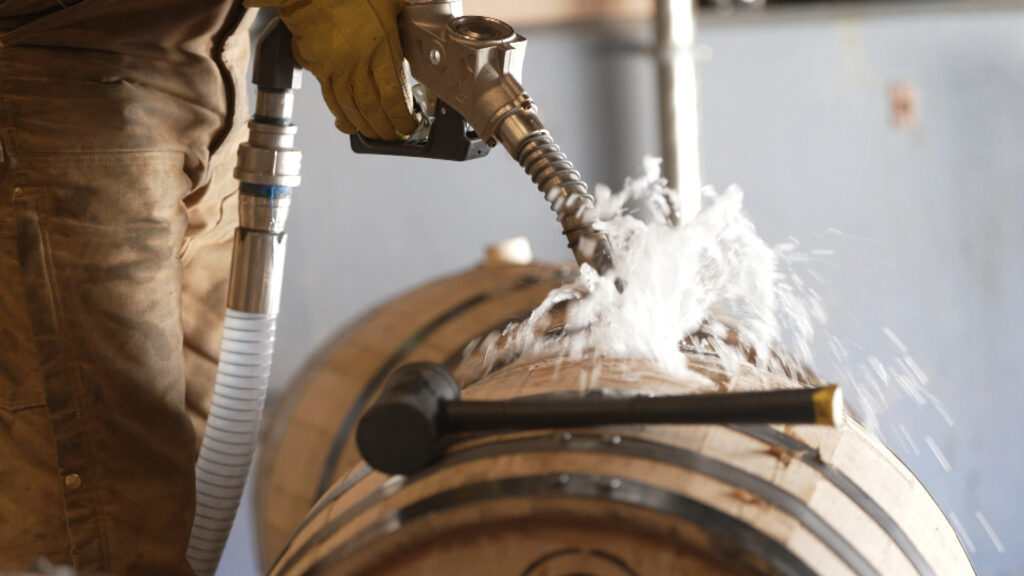
When 60 Minutes sets out to tell a story, it often reveals something extraordinary about the ordinary. In the holiday edition titled “Cheers,” correspondent Bill Whitaker dives into a craft that’s both centuries old and still essential today: the making of the oak barrel. In the segment “Wood to Whiskey,” viewers are taken inside the largest cooperage in the world to explore how wooden barrels—far more than mere containers—transform clear spirit into rich, golden Bourbon.

- 60 Minutes Reports on “Wood to Whiskey”, “The Tequila Heist” & “The Mezcaleros” December 28 2025
- The Tequila Heist: 60 Minutes Investigates How Thieves Are Draining the Global Supply Chain
- The Mezcaleros: 60 Minutes Explores the Spirit, Struggle, and Soul of Mexico’s Rising Export
A Craft Rooted in History
The tradition of aging liquor in oak barrels dates back nearly 2,000 years, originating with the Celts and spreading throughout Europe. The Romans refined the technique, discovering that oak not only made a strong vessel but also added flavor to the wine it carried. This practice would become the standard across cultures and continents, particularly in the Americas where Bourbon emerged as a uniquely American spirit.
Over time, coopering—the craft of barrel making—developed into a specialized trade requiring precise skills. Each barrel must be made by hand, carefully shaped to ensure it’s watertight without using nails or glue. The rise of American whiskey, especially Bourbon, cemented the oak barrel’s status not as an accessory, but as an ingredient.
The Bourbon Connection
In the United States, federal law dictates that for whiskey to be labeled Bourbon, it must be aged in new, charred oak barrels. This requirement isn’t just bureaucratic; it’s foundational to the drink’s identity. The spirit enters the barrel clear, and it’s the interaction with the toasted wood that gives Bourbon its amber hue and rich notes of vanilla, spice, and caramel.
Bill Whitaker’s report highlights how coopers at Independent Stave Company in Kentucky craft barrels with this in mind. From selecting the right oak to applying the perfect char, the process is both scientific and artistic. The level of toast or char influences the flavors extracted—heavy char yields smoky, bold tones while lighter charring produces sweeter notes.
Inside the World’s Largest Cooperage
Whitaker brings cameras inside the Independent Stave Company, the world’s largest barrel producer, supplying major distilleries like Jim Beam, Maker’s Mark, and Wild Turkey. The segment reveals a blend of old-world technique and modern efficiency. Barrels are still assembled by hand, but automation helps streamline processes to meet demand.
The company also focuses on sustainability, using every part of the oak tree and replanting to ensure long-term supply. American white oak, native to the Midwest and Appalachian regions, is prized for its durability and tight grain, which helps slow oxidation during aging while allowing the whiskey to “breathe.”
The Science Behind the Flavor
As Whitaker explains, aging whiskey is a chemical dance between spirit and wood. The liquid expands into the wood during warm temperatures and contracts during cooler seasons, pulling out tannins and vanillin compounds. These interactions are where the magic happens.
The segment also touches on innovations such as custom charring profiles and hybrid barrels used in experimental aging techniques. Master distillers today are playing with aging times, barrel placement in warehouses, and even barrel wood sources to create signature flavors—proof that this age-old method still has room for creativity.
The Barrel’s Journey Doesn’t End With Bourbon
Interestingly, the story of the American oak barrel doesn’t end when the Bourbon is bottled. Used barrels are often shipped overseas to be repurposed for aging Scotch whisky, rum, tequila, and even beer. Their flavor-rich walls add complexity to other spirits and continue their influence in global markets.
In many ways, these barrels become silent storytellers, carrying the essence of Bourbon to distant shores. Their transformation across different spirits is part of what makes them so revered—not just as tools of production but as vessels of legacy.
Why the Barrel Still Matters
“Wood to Whiskey” isn’t just a segment about whiskey barrels. It’s a story about craftsmanship, tradition, and time. In a fast-moving world, the oak barrel stands firm as a symbol of slow, deliberate creation. Every groove, every char, every year spent aging adds value not just to the whiskey, but to the culture that surrounds it.
Bill Whitaker’s deep dive into this topic reminds viewers that even the smallest parts of a process—often hidden from public view—can be central to the final product. And in the case of Bourbon, the barrel is not just part of the story. It is the story.
“60 Minutes Presents: Cheers” airs Sunday, December 28, 2025, at 7 PM ET/PT on CBS and streaming on Paramount+, offering a warm, educational close to the year for viewers who appreciate the finer details behind their favorite spirits.
More 60 Minutes December 28 2025
- 60 Minutes Reports on “Wood to Whiskey”, “The Tequila Heist” & “The Mezcaleros” December 28 2025
- Wood to Whiskey: 60 Minutes Explores the Barrel’s Timeless Role in Bourbon Making
- The Tequila Heist: 60 Minutes Investigates How Thieves Are Draining the Global Supply Chain
- The Mezcaleros: 60 Minutes Explores the Spirit, Struggle, and Soul of Mexico’s Rising Export