
Youngest Survivors: 60 Minutes Reports On Babies Born In Nazi Concentration Camps
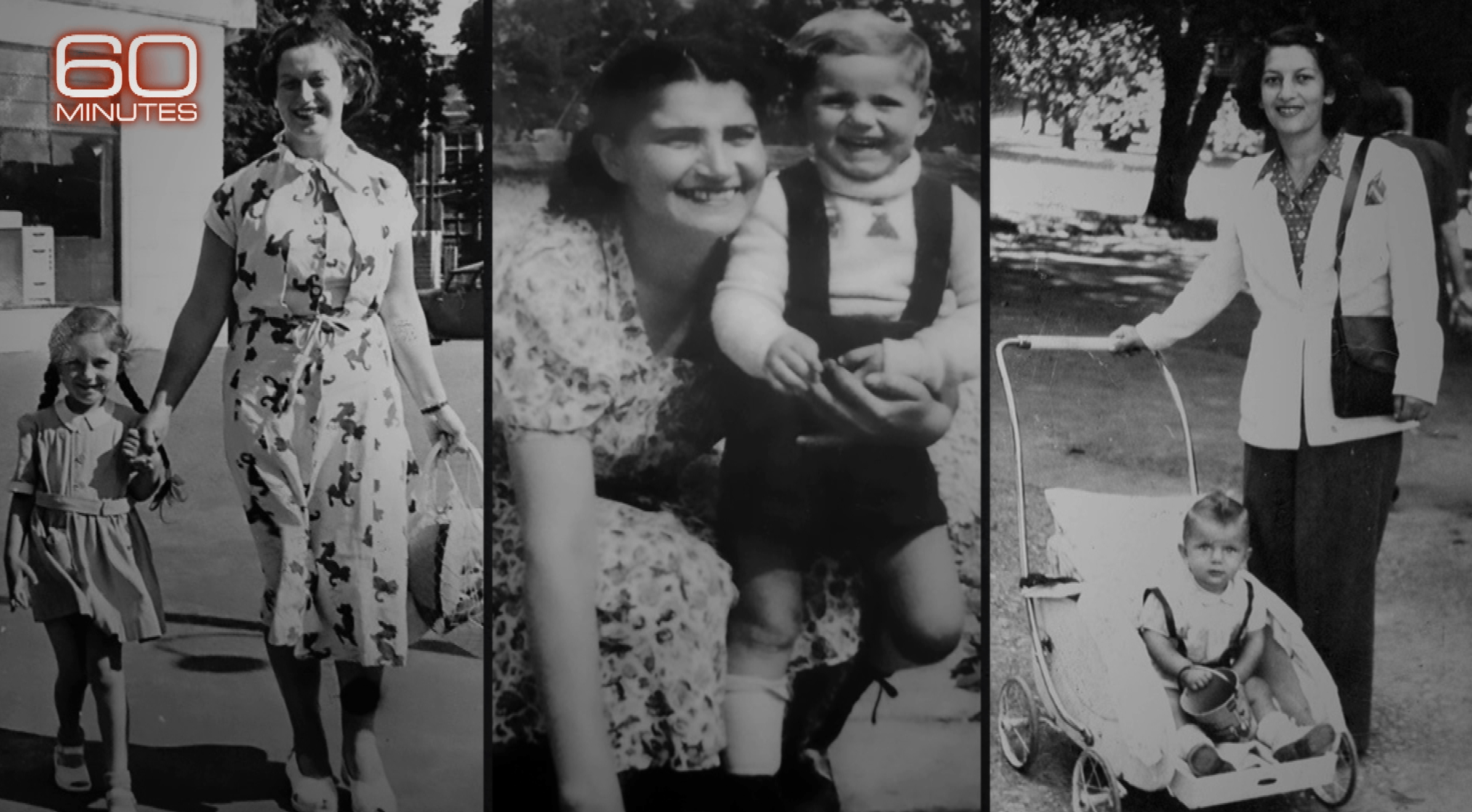
Through personal interviews, historical context, and rare survivor testimony, the report reflects on endurance, chance, and the long shadow of one of history’s most devastating periods.
- 60 Minutes Reports on “Generally Recognized as Safe” & “Youngest Survivors” on February 15 2026
- Generally Recognized As Safe: 60 Minutes Investigates The Hidden System Behind America’s Food Additives
Birth in the Harshest Conditions
During the final months of World War II, pregnant prisoners in Nazi camps faced almost certain death if their condition was discovered. The regime viewed children born to Jewish and other persecuted women as undesirable, and pregnancy was often punishable by execution or forced abortion.
The segment tells the story of three women who managed to hide their pregnancies while enduring starvation, forced labor, disease, and constant fear. Each gave birth in secrecy, without medical care, proper shelter, or basic supplies. Their survival, and that of their infants, depended on extraordinary courage, quiet acts of assistance from fellow prisoners, and moments of improbable luck.
The babies born under these circumstances are now 80 years old. Stahl meets them as they reflect on lives that began in secrecy and danger, shaped by the resilience of mothers who risked everything to protect them.
Liberation and a Life-Saving Encounter
One of the most dramatic elements of the story involves the liberation of the camps by Allied forces. As American troops entered the concentration camps in 1945, they encountered scenes of devastation and unimaginable human suffering.
Among those present was an American medic who discovered one of the newborn survivors and played a critical role in saving the infant’s life. The segment explores how military medical personnel worked quickly to treat starvation, illness, and severe trauma among survivors, often improvising care under difficult conditions.
Decades later, the connection between the medic and the child he helped rescue became an important part of the survivor’s personal history, illustrating the lasting impact of those first moments of freedom and recovery.
Finding Each Other Decades Later
For most of their lives, the three survivors grew up unaware that others shared such a rare and unusual beginning. Each built a life in the postwar world, carrying the legacy of their mothers’ experiences and the trauma that shaped their families.
The report details how, more than six decades later, a series of coincidences and research efforts brought the three individuals together. Their eventual meeting revealed striking similarities in their origins and offered a powerful sense of connection rooted in survival against overwhelming odds.
Their reunion underscores the role of historical memory, survivor networks, and archival research in preserving individual stories that might otherwise have been lost to time.
Remembering the Holocaust Through Personal Stories
Eighty years after the war, the number of living Holocaust survivors continues to decline, increasing the urgency of documenting firsthand accounts. Stahl’s report places the story of the three survivors within the broader effort to preserve testimony for future generations.
Personal narratives such as these offer a deeply human perspective on historical events that can otherwise feel distant or abstract. By focusing on birth, survival, and reunion, the segment highlights both the brutality of the camps and the resilience that allowed some families to endure.
Produced by Shari Finkelstein, “Youngest Survivors” combines historical reporting with intimate storytelling. The segment serves as both a remembrance of the millions who were lost and a tribute to the extraordinary lives that began under the most unimaginable circumstances.
More 60 Minutes February 15 2026
- 60 Minutes Reports on “Generally Recognized as Safe” & “Youngest Survivors” on February 15 2026
- Generally Recognized As Safe: 60 Minutes Investigates The Hidden System Behind America’s Food Additives
- Youngest Survivors: 60 Minutes Reports On Babies Born In Nazi Concentration Camps
More Feature Articles
- “Footprints in the Snow”: 20/20 Reports on Ashley Schwalm Homicide February 13 2026
- Dateline NBC Pre-Empted February 13 2026 for Winter Olympics Coverage
- “The Girl from Wahoo”: 48 Hours Reports on Mary Kay Heese Homicide February 14 2026
- 60 Minutes Reports on “Generally Recognized as Safe” & “Youngest Survivors” on February 15 2026





What is the name of the woman who wrote a book about these three women and their babies?
What a special show? I would like to read the book. Please send me her name (Wendy ??) and the title of the book.
Thanks for doing this.
Wendy Holden: Born Survivors
This story for me was very moving, It could have been about my mother who I believe was in the camps at that time and had a daughter(my half sister), I was very well done and for me very moving> I want to thank 60 minutes and the author Wendy for writing the book.
I have watched 60 Minutes probably since the start. I don’t think I’ve ever been more moved by an episode as this one. Thank you, Lesley Stahl and your staff of producers, directors, etc. who brought us this story. Thanks most of all go to the three “babies” for being most, most inspirational!
Sigh…
This was amazing…so important to share this type of programming!
I wish I had recorded this show so I could show it to my children. I’m 96 years old and I remember WWII. This show was so amazing! I just ordered Wendy Holden’s book on Amazon.
I found out in 2010 that my late dad had participated in the liberation of one of the death camps in April 1945. His unit, the 30th Infantry Division found locked rail cars loaded with several hundred victims left to starve by the Nazi guards. There were others left with no food or water when the Americans arrived. The camp was near Magdeburg, Germany and Farsleben. My dad served with the 30th Inf Division in England and then landing at Omaha Beach as part of the D-Day operation Overlord. He saw 282 days of combat. He never talked about his experience, including never telling us of the liberation of the death camps. He died in 1982 taking his horrible memories of the war with him.
These accounts of that period of THAT war are unimaginable to think humans from all walks of life especially Jews, lived through that particular hell. How these pregnant women kept their pregnancy secret and kept themselves alive through birth, then kept their babies alive are miracles within themselves. Mothers are like lions when it comes to their children if this is ever doubted just read these stories.