The Angola Prison Rodeo: 60 Minutes Explores Redemption and Hope Inside America’s Largest Maximum-Security Prison
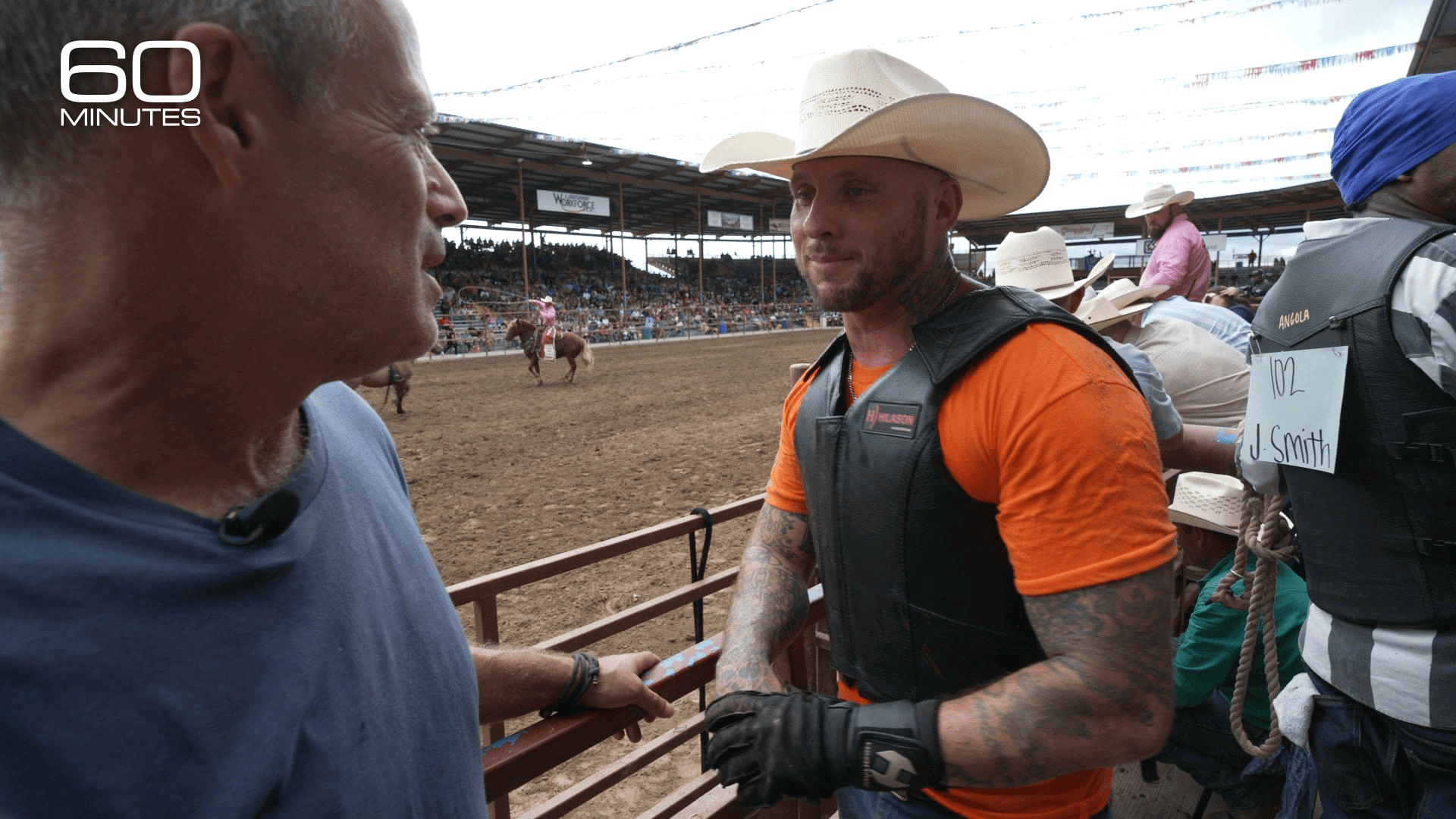
Inside one of America’s most notorious prisons, incarcerated men serving lengthy sentences take part in an extraordinary rodeo that offers a rare opportunity for excitement, recognition and a fleeting sense of freedom.
In “The Angola Prison Rodeo,” 60 Minutes correspondent Sebastian Junger visits the Louisiana State Penitentiary, commonly known as Angola, to explore how incarcerated men find purpose and personal redemption through an unusual prison tradition.
Nicknamed “The Wildest Show in the South,” the Angola Prison Rodeo brings inmates into an arena to compete in rodeo events before spectators. For participants, the competition offers a temporary escape from the routines and restrictions of prison life.
The report, airing Sunday, November 22, 2026, examines Angola’s difficult history, the experiences of the men who participate and the meaning of an event that combines dangerous competition with opportunities for personal achievement.
- 60 Minutes Reports on “One Molecule at a Time”, “The Mass Shooter Fandom” & “The Angola Prison Rodeo” November 22 2026
- One Molecule at a Time: 60 Minutes Investigates Deadly Synthetic Opioids Up to 80 Times Stronger Than Fentanyl
- The Mass Shooter Fandom: 60 Minutes Investigates Online Communities That Idolize School Shooters
Inside Angola, America’s Largest Maximum-Security Prison
Located in rural Louisiana, the Louisiana State Penitentiary is the largest maximum-security prison in the United States.
Commonly called Angola, the institution takes its name from a former plantation that occupied the site. Its history is closely connected to Louisiana’s plantation economy and the development of the American prison system.
The prison has long been associated with harsh conditions, difficult labor and controversies surrounding the treatment of incarcerated people.
Most of the men held at Angola are serving life sentences, making the possibility of returning to ordinary life outside prison remote for many.
For those incarcerated there, daily life takes place within a highly controlled environment where movement, activities and personal choices are restricted.
Against this backdrop, the prison rodeo stands out as an unusual event that briefly changes the rhythm of life inside the institution.
Junger’s report examines the contrast between Angola’s reputation and the sense of purpose some inmates find through participating in the competition.
What Is the Angola Prison Rodeo?
The Angola Prison Rodeo is a long-running event in which selected incarcerated men compete in rodeo activities inside the prison grounds.
First held in 1965, the rodeo has developed into one of Angola’s best-known traditions, attracting visitors who come to watch inmates participate in competitions involving bulls and other livestock.
The event is commonly advertised as “The Wildest Show in the South,” reflecting the unpredictable nature of the contests.
Unlike professional rodeo competitors, participating inmates generally do not have the same opportunities for extensive training and experience.
The rodeo features events that test courage, balance and the ability to remain composed around powerful animals.
For spectators, the competition offers an unusual form of entertainment. For the men taking part, however, its significance can extend beyond the excitement of the arena.
The opportunity to participate in a public event, compete alongside others and experience recognition can carry particular meaning for individuals living under long-term confinement.
Why the Rodeo Matters to Incarcerated Men
One of the central themes of the 60 Minutes report is the personal importance of the rodeo to participating inmates.
For men serving life sentences, opportunities to experience achievement and public recognition may be limited.
The rodeo provides a chance to take part in an activity that differs dramatically from everyday prison routines.
Competition can offer participants a sense of identity beyond their incarceration, allowing them to be recognized for courage, determination or athletic performance.
The event may also provide a temporary sense of freedom, even though participants remain within the prison and subject to its rules.
Junger explores how inmates interpret these experiences and what motivates them to participate despite the physical risks.
Their stories offer a perspective on prison life that extends beyond punishment and confinement, examining the importance of purpose and personal dignity.
The Risks and Controversies Surrounding Prison Rodeos
Although the Angola Prison Rodeo is a popular tradition, it also raises questions about safety and the treatment of incarcerated participants.
Rodeo events involving bulls and other large animals carry an inherent risk of injury, particularly for competitors with limited experience.
Within a prison environment, those risks create additional questions about informed participation and the responsibilities of prison administrators.
Critics of prison rodeos have questioned whether dangerous competitions involving incarcerated people are appropriate forms of public entertainment.
Supporters, meanwhile, argue that the events can provide meaningful opportunities for participation, achievement and social interaction.
The broader debate reflects competing views about the purpose of prison activities and how institutions should balance safety, recreation and rehabilitation.
While the announced 60 Minutes report focuses on redemption and purpose, Angola’s history provides important context for understanding why the rodeo attracts both interest and scrutiny.
Angola’s Complicated History and the Search for Redemption
Angola’s reputation has been shaped by its history as a prison located on former plantation land and by longstanding concerns about incarceration conditions.
The institution has frequently been part of broader discussions about punishment, prison labor and the treatment of people serving lengthy sentences.
For many incarcerated men, particularly those serving life terms, the concept of rehabilitation can be complicated by the limited prospect of release.
Nevertheless, personal growth and meaningful activity can remain important even when an individual is unlikely to leave prison.
Programs involving education, work, recreation and creative expression may provide opportunities for inmates to develop skills and maintain a sense of purpose.
The rodeo represents a particularly unusual example of how incarcerated people can experience competition and achievement within a restrictive environment.
Junger’s investigation examines whether these experiences can contribute to a sense of redemption and how participants understand their lives beyond the crimes for which they were convicted.
Sebastian Junger Reports From Inside Angola
Correspondent Sebastian Junger brings his experience documenting conflict, hardship and human resilience to the Angola Prison Rodeo.
Junger is known for his reporting and writing about people facing extreme circumstances, including his work on the book The Perfect Storm and the documentary Restrepo.
His reporting has frequently explored how individuals respond to danger, develop bonds and find meaning in difficult environments.
At Angola, those themes take on a different form as incarcerated men confront the physical risks of rodeo competition while living within the restrictions of a maximum-security prison.
The report examines the participants’ experiences and the personal significance of an event that offers only a temporary departure from prison life.
It also places their stories against the backdrop of Angola’s difficult history, highlighting the tension between punishment and opportunities for personal transformation.
When to Watch The Angola Prison Rodeo on 60 Minutes
“The Angola Prison Rodeo” airs Sunday, November 22, 2026, as part of a new edition of 60 Minutes on CBS.
Correspondent Sebastian Junger visits Louisiana’s Angola prison to examine the rodeo tradition known as “The Wildest Show in the South” and how incarcerated men find purpose and a fleeting sense of freedom through competition.
Laura Dodd is the producer.
The episode airs 7:30–8:30 PM ET and 7:00–8:00 PM PT, following NFL football, with streaming available on Paramount+.
The November 22 broadcast also features Jon Wertheim’s investigation into deadly new synthetic opioids and Lesley Stahl’s examination of online communities that idolize mass shooters.
Through the experiences of men participating in the Angola Prison Rodeo, 60 Minutes explores a central question about incarceration: how can people find dignity, meaning and opportunities for personal change while serving some of the longest sentences in the American prison system?
More 60 Minutes November 22 2026
- 60 Minutes Reports on “One Molecule at a Time”, “The Mass Shooter Fandom” & “The Angola Prison Rodeo” November 22 2026
- One Molecule at a Time: 60 Minutes Investigates Deadly Synthetic Opioids Up to 80 Times Stronger Than Fentanyl
- The Mass Shooter Fandom: 60 Minutes Investigates Online Communities That Idolize School Shooters
- The Angola Prison Rodeo: 60 Minutes Explores Redemption and Hope Inside America’s Largest Maximum-Security Prison
More Feature Articles
- “Murder on the Menu”: 20/20 Reports on Thomas & Angela Strussion Homicides November 20 2026
- “Tick Tick Boom”: Dateline Reports on Courtney Clenney and Christian Obumseli Murder Case November 20 2026
- Is 48 Hours on Tonight? CBS Pre-empts November 21 Episode for NWSL Championship
- 60 Minutes Reports on “One Molecule at a Time”, “The Mass Shooter Fandom” & “The Angola Prison Rodeo” November 22 2026