


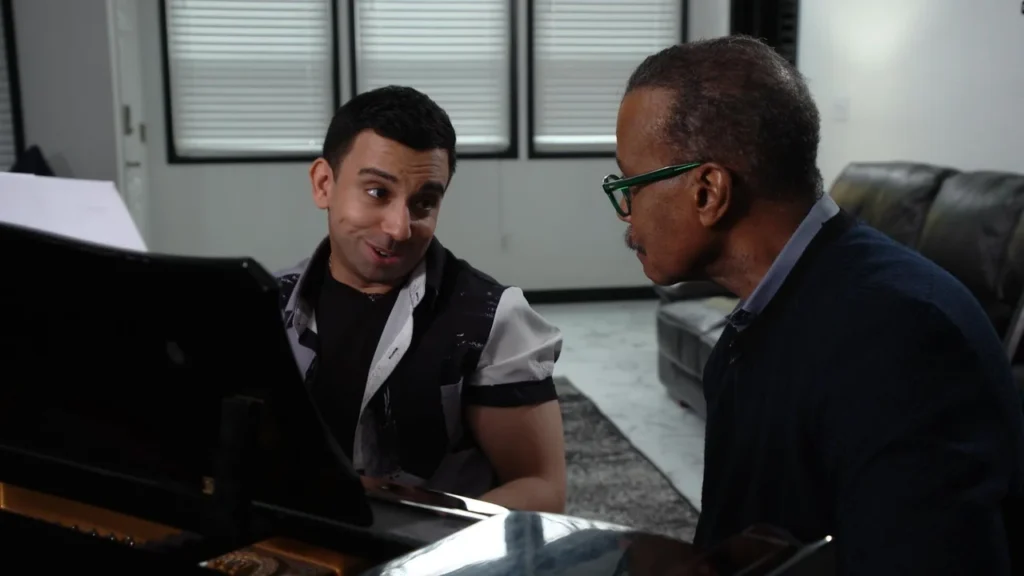
For generations, piano lessons have often been associated with strict routines, repetitive scales and endless hours of memorizing sheet music. But one young teacher is challenging that traditional approach and transforming the way students experience music.
In the new “60 Minutes” segment “The Payam Method,” airing Sunday, May 24, 2026, correspondent Bill Whitaker introduces viewers to Payam Khastkhodaei, a 32-year-old piano instructor whose unconventional teaching style is producing extraordinary results. The son of Iranian immigrants has developed a system that is inspiring students, attracting celebrity supporters and reshaping conversations about music education across the country.
The report explores how Khastkhodaei’s philosophy differs from conventional piano training and why his students are not only enjoying lessons more but also winning major competitions.

- 60 Minutes Reports on “Booms, Busts and Bubbles”, “Sculpting Evolution” & The Payam Method” on May 24 2026
- Booms, Busts and Bubbles: 60 Minutes Reports on Whether Another 1929 Crash Could Be Coming on May 24, 2026
- Sculpting Evolution: 60 Minutes Reports on the Bold Plan to Stop Lyme Disease on May 24, 2026
Who Is Payam Khastkhodaei?
Payam Khastkhodaei has emerged as one of the most talked-about young music educators in America. Raised in a family of Iranian immigrants, he grew up with a deep appreciation for discipline, education and artistic expression, values that would later shape his teaching philosophy.
Unlike many traditional piano instructors, Khastkhodaei believes technical perfection alone is not enough to create truly successful musicians. Instead, he focuses heavily on emotional connection, creativity and helping students genuinely enjoy the learning process.
His methods began attracting attention through word of mouth as parents noticed dramatic improvements not only in musical performance but also in student confidence and enthusiasm. Children who once dreaded practicing reportedly became eager to spend time at the piano.
As his reputation grew, Khastkhodaei’s students started performing exceptionally well in national competitions, helping elevate his teaching system from a local success story into a nationally recognized phenomenon.
The “60 Minutes” segment follows Khastkhodaei as he works with students and explains the thinking behind a teaching style that intentionally breaks many long-established rules of classical music education.
Challenging the Traditional Piano Lesson Model
Traditional piano instruction has historically emphasized structure, repetition and strict adherence to written music. Students often spend years practicing scales, drills and technical exercises before being encouraged to develop personal interpretation or improvisation skills.
Khastkhodaei’s approach takes a dramatically different path. According to the segment, his method minimizes some of the rigid systems commonly associated with piano lessons and instead prioritizes instinct, musical storytelling and emotional engagement.
Rather than forcing students into a one-size-fits-all formula, he adapts lessons to individual personalities and learning styles. The goal is to help students connect with music naturally rather than treating practice as a chore.
The approach reflects broader changes happening throughout education, where teachers increasingly recognize that creativity and motivation can be just as important as memorization and discipline. In music education especially, many instructors have begun questioning whether older methods discourage talented students from continuing long term.
“The Payam Method” explores how Khastkhodaei’s students appear unusually confident and expressive for their age, qualities that judges and audiences have reportedly noticed during competitions and performances.
Why Music Education Is Evolving
The segment arrives during a time of growing debate about how children learn best. Across many subjects, educators are reconsidering highly rigid teaching systems in favor of approaches that encourage creativity, engagement and emotional connection.
Music education has undergone significant changes over recent decades as technology, social media and changing cultural tastes reshape how younger generations interact with art. Many children today are exposed to music through streaming platforms, viral videos and digital content long before they ever enter a formal lesson.
Traditional classical training can sometimes feel disconnected from how modern students experience music in everyday life. Some educators worry that overly strict methods may unintentionally push students away from developing a lifelong passion for playing.
Khastkhodaei’s success has drawn attention partly because he appears to bridge both worlds. His students are reportedly succeeding within highly competitive classical environments while still maintaining a visible enthusiasm for performing and learning.
The “60 Minutes” report suggests that his teaching philosophy may reflect a larger shift in education toward balancing technical mastery with personal expression and emotional development.
Celebrity Support and National Recognition
One reason “The Payam Method” has generated such widespread interest is the high-profile attention Khastkhodaei has received from influential figures in technology and entertainment.
According to the segment, both a legendary tech innovator and an Oscar-winning composer have become supporters of his work. Their involvement has helped elevate his teaching style beyond the world of local music lessons and into broader conversations about creativity, innovation and talent development.
The endorsement from leaders in both technology and music reflects how Khastkhodaei’s methods are being viewed not simply as a piano system but as a new way of thinking about learning itself. His supporters reportedly see parallels between artistic creativity and the kind of innovative thinking valued in other industries.
Bill Whitaker’s report examines why people outside traditional music education are becoming fascinated by his philosophy. In many ways, the story becomes less about piano lessons specifically and more about how young people can be inspired to excel when education feels engaging and meaningful.
The growing national attention has also placed Khastkhodaei in a unique position as both educator and entrepreneur, balancing artistic ideals with increasing public demand for his methods.
The Pressure and Competition of Young Musicians
The segment also touches on the intense pressure many young musicians face in competitive performance environments. Piano competitions can be emotionally demanding, requiring years of disciplined practice and often placing enormous expectations on children and families.
In some cases, students experience burnout or anxiety as the pressure to achieve perfection grows. Critics of traditional systems argue that excessive focus on technical performance can sometimes diminish the joy that initially drew students to music.
Khastkhodaei’s supporters believe his methods help reduce some of that pressure by encouraging emotional confidence and a healthier relationship with learning. Students featured in the report appear not only technically skilled but also visibly comfortable performing in front of audiences.
The segment raises broader questions about achievement and education in modern society. Can students perform at elite levels while still enjoying the process? Is passion ultimately more sustainable than pressure?
These themes help make “The Payam Method” more than simply a story about piano instruction. It becomes a larger reflection on how creativity, discipline and personal fulfillment intersect in education.
A Story About Passion, Creativity and Reinvention
At its core, “The Payam Method” is a story about reinvention. Khastkhodaei is taking an art form often associated with centuries of tradition and asking whether it can be taught in a way that feels more human, accessible and emotionally rewarding.
For viewers, the segment offers an inside look at how one teacher’s unconventional ideas are resonating with students and families searching for a different kind of learning experience. It also highlights how innovation can emerge in unexpected places, even within fields that have long resisted change.
Bill Whitaker’s report captures both the excitement surrounding Khastkhodaei’s growing influence and the larger cultural conversation about what effective teaching should look like in the modern era.
As “60 Minutes” profiles the rising educator, the segment ultimately asks whether the future of music education may depend not just on producing technically skilled performers, but on helping students truly fall in love with music itself.
More 60 Minutes May 24 2026
- 60 Minutes Reports on “Booms, Busts and Bubbles”, “Sculpting Evolution” & The Payam Method” on May 24 2026
- Booms, Busts and Bubbles: 60 Minutes Reports on Whether Another 1929 Crash Could Be Coming on May 24, 2026
- Sculpting Evolution: 60 Minutes Reports on the Bold Plan to Stop Lyme Disease on May 24, 2026
- The Payam Method: 60 Minutes Reports on the Piano Teacher Changing Music Education on May 24, 2026
More Feature Articles
- “The Barefoot Witness”: 20/20 Reports on Lyntell Washington Homicide May 22 2026
- Dateline NBC May 22 2026 Pre-Empted for NBA Western Conference Finals
- “Deadly Entanglement”: Dateline NBC Revisits Desiree Sunford’s Murder May 23 2026
- “Kouri Richins: Behind the Facade”: 48 Hours Reports May 23 2026
- 60 Minutes Reports on “Booms, Busts and Bubbles”, “Sculpting Evolution” & The Payam Method” on May 24 2026