
Disaster Tourists: 60 Minutes Investigates Extremist Groups in Disaster Zones
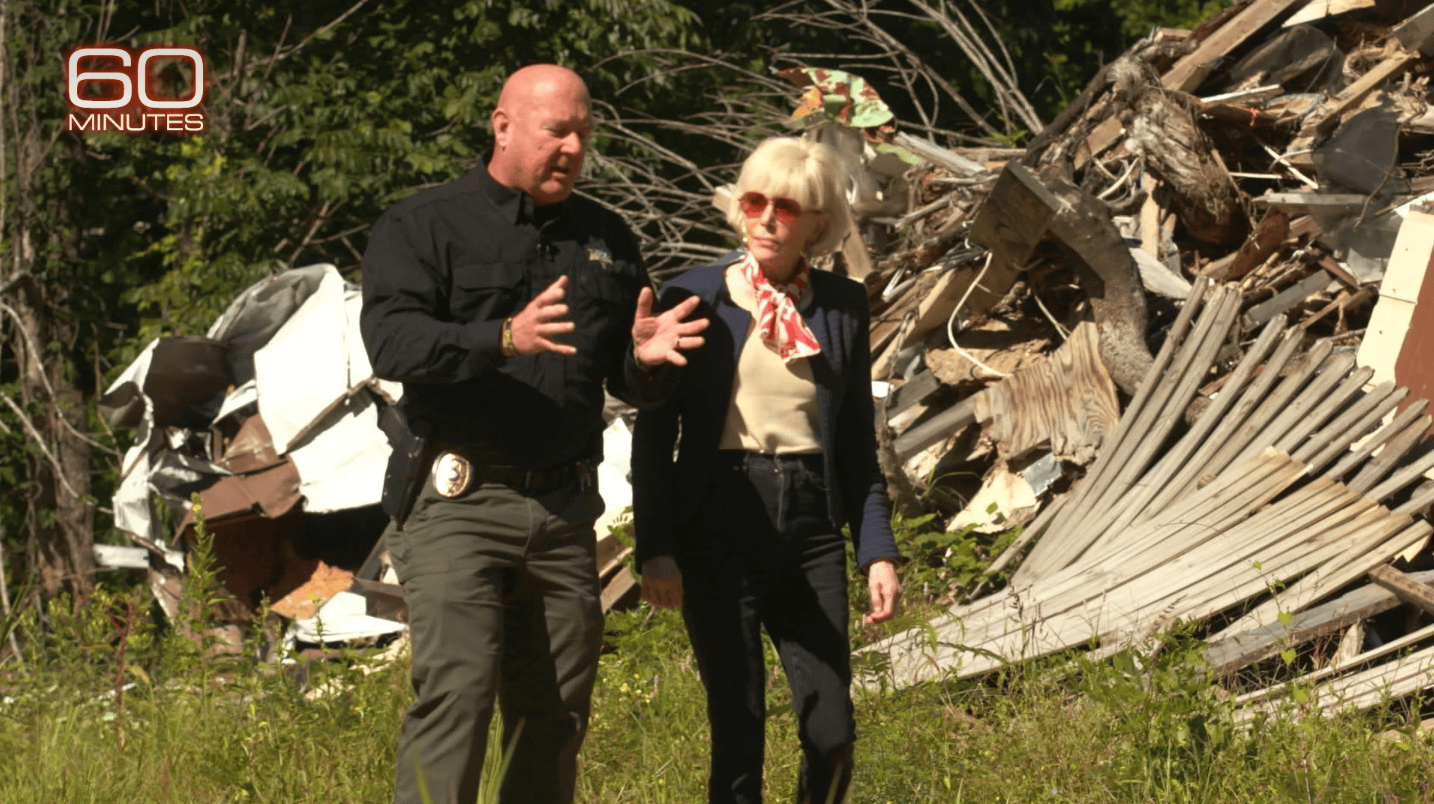
The concept itself echoes what is often described as “disaster tourism,” a phenomenon where individuals are drawn to areas affected by catastrophe. Traditionally, this has included visitors seeking to witness the aftermath or even contribute to recovery. However, critics have long argued that such involvement can be exploitative, interfering with relief efforts or profiting from tragedy rather than assisting those in need. The segment expands this idea into a more concerning development, where participation is tied to ideology rather than curiosity or goodwill.
- 60 Minutes Reports on “Disaster Tourists”, “Birds of War” & “Perfume Capital of the World” on May 3 2026
- Birds of War: 60 Minutes Reports on Colombia’s Hidden Wildlife
- Perfume Capital of the World: 60 Minutes Looks at Grasse’s Return to Prominence
A Long History of Exploiting Crisis
Research shows that extremist groups have a documented history of using national tragedies and natural disasters as opportunities to promote their beliefs. Organizations tied to white supremacist and anti-government movements have appeared in disaster zones across the United States, often engaging in visible cleanup efforts while simultaneously distributing propaganda or reinforcing their narratives.
According to the Anti-Defamation League, these efforts are rarely just about assistance. Groups may use disaster response as a strategy to gain positive publicity, attract recruits, and push distrust of institutions. In some cases, their activities have even created complications for emergency responders by diverting attention or resources. This pattern has been observed after multiple disasters, including hurricanes, floods, and tornadoes, suggesting a coordinated and recurring approach rather than isolated incidents.
The broader context also reflects a growing concern among authorities about racially and ideologically motivated extremism. Reports from the U.S. Department of State have identified white supremacist movements as an ongoing threat, with networks that continue to adapt their tactics and outreach strategies. Disaster zones, with their urgency and vulnerability, can provide an environment where such groups gain visibility more easily.
Why Disaster Zones Become Recruitment Grounds
The appeal of disaster zones for these groups lies in both visibility and vulnerability. Communities affected by natural disasters are often dealing with loss, uncertainty, and limited resources. In that environment, offers of help can carry significant weight, even when they come from unexpected or controversial sources.
From a psychological perspective, extremist movements often rely on strong group identity and messaging that frames institutions as ineffective or corrupt. By stepping into roles traditionally filled by government agencies or established charities, these groups can reinforce their narratives and present themselves as alternatives. Studies on extremist behavior suggest that belonging to a cause and demonstrating action can strengthen group cohesion and attract new members, especially in times of crisis.
The visibility of hands-on work, such as clearing debris or distributing supplies, can also serve as powerful imagery for recruitment. These actions can be shared widely online, helping to reshape public perception and portray the groups in a more favorable light, even if their broader goals remain unchanged.
The Risks for Communities and Authorities
The presence of ideologically driven groups in disaster zones introduces challenges that go beyond immediate recovery. Law enforcement and emergency responders must balance the need for coordination with the potential risks posed by unregulated or politically motivated actors.
In some cases, these groups have been described as creating confusion or complicating logistics, particularly when their efforts are not aligned with official recovery plans. There is also concern about the long-term impact on communities, especially if vulnerable individuals are exposed to recruitment messaging during periods of instability.
At the same time, the segment raises questions about how widespread this trend has become and whether it represents a new phase in how extremist movements operate. Rather than remaining on the fringes, these groups are finding ways to embed themselves in real-world situations that offer both visibility and influence.
A Sign of a Changing Landscape
“Disaster Tourists” ultimately frames this issue as part of a broader shift in how extremist groups engage with society. Instead of relying solely on online spaces or isolated communities, they are increasingly stepping into public-facing roles that allow them to interact directly with affected populations.
The report suggests that this approach may become more common, particularly as natural disasters increase in frequency and scale. Each event presents not only a humanitarian challenge but also an opportunity for groups seeking attention, legitimacy, and growth.
By examining both the motivations and the consequences of this trend, the segment provides a deeper look at how crises can be shaped by forces beyond the immediate disaster itself.
More 60 Minutes May 3 2026
- 60 Minutes Reports on “Disaster Tourists”, “Birds of War” & “Perfume Capital of the World” on May 3 2026
- Disaster Tourists: 60 Minutes Investigates Extremist Groups in Disaster Zones
- Birds of War: 60 Minutes Reports on Colombia’s Hidden Wildlife
- Perfume Capital of the World: 60 Minutes Looks at Grasse’s Return to Prominence
More Feature Articles
- “The Secret in the Water”: 20/20 Examines the Regina Hicks Cold Case May 1 2026
- “A Window of Time”: Dateline Reports on Tara Baker Homicide May 1 2026
- “The Love Bombing of Gloria Choi”: 48 Hours Reports May 2 2026
- 60 Minutes Reports on “Disaster Tourists”, “Birds of War” & “Perfume Capital of the World” on May 3 2026







69 minutes gets an F on this report which fails to mention or disclose who ultimately funding groups like this. Without this nugget it leaves the viewer to basically make his or her own decision on whether you should blame the group or the United States.