Perfume Capital of the World: 60 Minutes Looks at Grasse’s Return to Prominence
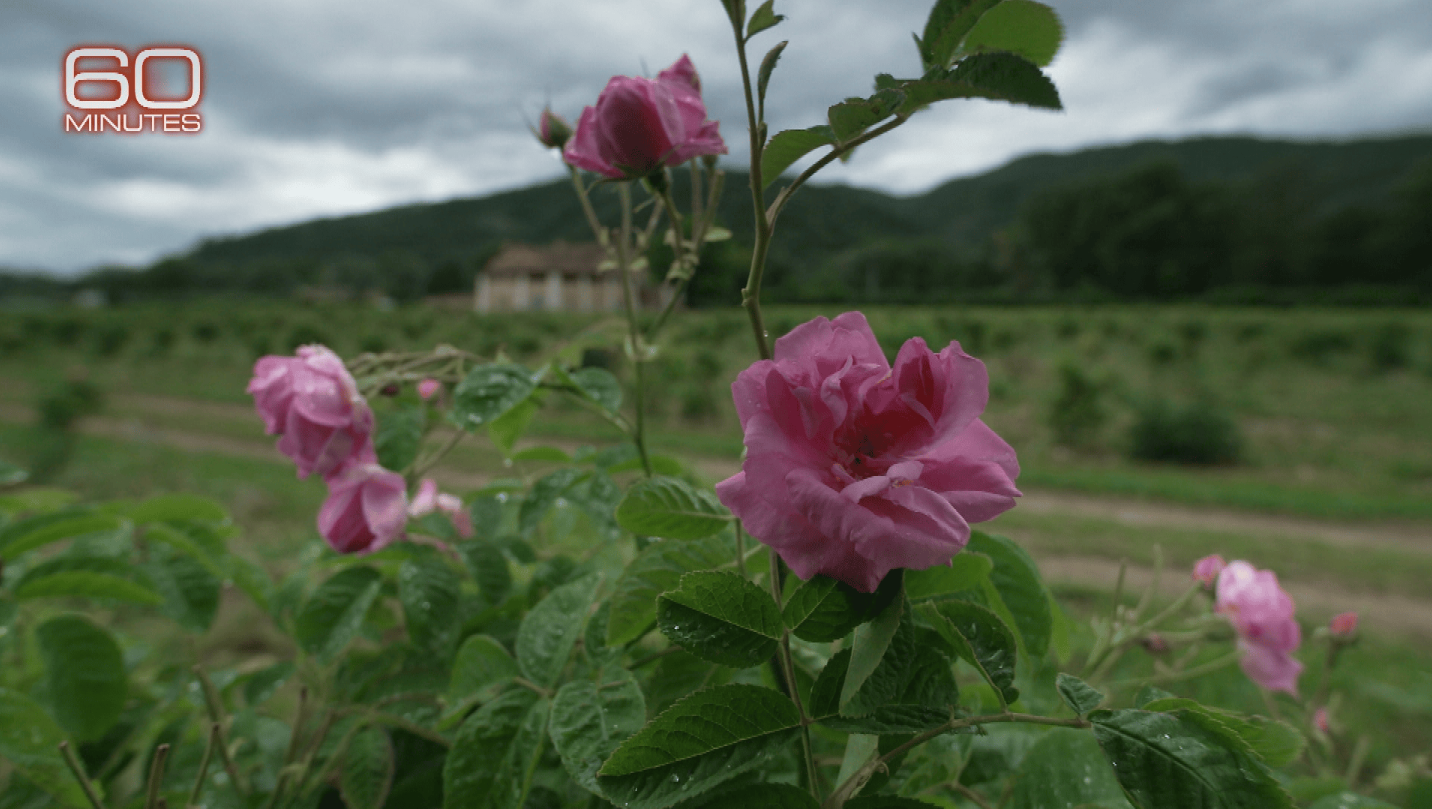
The final segment of 60 Minutes travels to Grasse in southern France, a town long regarded as the global heart of the perfume industry. Nestled in the hills above the Côte d’Azur, Grasse has built its reputation over centuries through a unique combination of climate, craftsmanship, and access to delicate flower crops. Its mild Mediterranean conditions, altitude, and water supply have made it ideal for cultivating aromatic plants such as jasmine, rose, and lavender, which remain essential ingredients in many of the world’s most iconic fragrances.
Grasse’s identity is deeply tied to perfume. By the 18th and 19th centuries, it had established itself as the center of French perfumery and eventually earned recognition as the “perfume capital of the world.” The industry still plays a major economic role today, producing a large share of France’s natural fragrance materials and supporting thousands of jobs in the region. Cecilia Vega’s report places this long history in context, showing how a small town became synonymous with luxury, artistry, and global fragrance culture.
- 60 Minutes Reports on “Disaster Tourists”, “Birds of War” & “Perfume Capital of the World” on May 3 2026
- Disaster Tourists: 60 Minutes Investigates Extremist Groups in Disaster Zones
- Birds of War: 60 Minutes Reports on Colombia’s Hidden Wildlife
From Leather Workshops to Luxury Fragrance
The origins of Grasse’s perfume industry trace back to an unexpected source. During the Middle Ages, the town was known for leather tanning, a trade that produced strong and unpleasant odors. To make leather goods more appealing, artisans began scenting them with locally grown flowers, gradually developing techniques that would evolve into perfume-making.
This transition marked the beginning of a new identity for Grasse. By the 17th century, the town had established a formal guild of “glovers-perfumers,” and fragrance production expanded rapidly. Over time, the focus shifted entirely from leather to perfume, supported by the surrounding countryside’s ability to grow high-quality flowers. Jasmine, rose, orange blossom, and mimosa became staples of the region, harvested by hand and processed using methods refined over generations.
The craft itself became highly specialized. Perfumers, often referred to as “noses,” are trained to distinguish thousands of scents, blending them into complex compositions. This expertise helped position Grasse not just as a production hub, but as a center of innovation and training within the global fragrance industry.
Decline in the Modern Era
Despite its long-standing dominance, Grasse experienced a significant decline during the 20th century. Advances in synthetic chemistry allowed perfume manufacturers to replicate scents at a lower cost, reducing reliance on natural ingredients grown in the region. At the same time, global competition and urban development began to reshape the local economy.
The scale of change was dramatic. Flower production, which once reached thousands of tons annually, dropped sharply as land was repurposed and agriculture shifted elsewhere. Many traditional family-run operations were absorbed by larger international companies, and some production moved overseas. By the early 2000s, only a small fraction of the original flower fields remained, highlighting the challenges faced by a heritage industry in a modern global market.
This decline forms a key part of the 60 Minutes segment, illustrating how even the most established cultural industries can struggle to adapt to technological and economic change. The loss of farmland and traditional practices raised concerns about whether Grasse could maintain its identity as the world’s perfume capital.
A Modern Revival Driven by Luxury Brands
In recent years, Grasse has begun to experience a revival, driven in part by renewed interest from major luxury houses. Brands such as Dior and Chanel have invested in local flower cultivation, seeking to reconnect their products with authentic sources and traditional methods. These partnerships often involve exclusive agreements with growers, ensuring quality while supporting the preservation of local agriculture.
This renewed investment reflects a broader shift in the luxury market, where heritage and traceability have become increasingly valuable. Consumers are more interested in the origin of ingredients and the story behind a product, making Grasse’s history an asset once again. The town’s expertise, combined with its reputation, allows it to remain relevant even as the industry evolves.
At the same time, tourism has played a role in the revival. Visitors are drawn to Grasse to explore perfume museums, historic factories, and workshops where they can learn about the craft firsthand. This blend of production and cultural experience has helped sustain the town’s economy while reinforcing its global identity.
Preserving a Fragile Heritage
The segment also highlights the delicate balance between preservation and progress. While investment has brought new life to Grasse, the number of traditional flower fields remains limited compared to its peak. Harvesting key ingredients such as jasmine and rose is still labor-intensive, requiring careful timing and manual picking to capture their fragrance at its strongest.
Efforts to protect this heritage have gained international recognition. The know-how associated with perfume-making in Grasse has been acknowledged as part of cultural heritage, emphasizing its importance beyond commercial value. Maintaining this tradition requires continued support from both industry and local communities, as well as careful management of land and resources.
“Perfume Capital of the World” ultimately presents Grasse as a place shaped by centuries of innovation, decline, and renewal. It is a story of how a traditional craft can adapt to modern demands while preserving its identity. Through its focus on history, industry, and revival, the segment offers a deeper look at the enduring appeal of one of the world’s most iconic centers of fragrance.
More 60 Minutes May 3 2026
- 60 Minutes Reports on “Disaster Tourists”, “Birds of War” & “Perfume Capital of the World” on May 3 2026
- Disaster Tourists: 60 Minutes Investigates Extremist Groups in Disaster Zones
- Birds of War: 60 Minutes Reports on Colombia’s Hidden Wildlife
- Perfume Capital of the World: 60 Minutes Looks at Grasse’s Return to Prominence
More Feature Articles
- “The Secret in the Water”: 20/20 Examines the Regina Hicks Cold Case May 1 2026
- “A Window of Time”: Dateline Reports on Tara Baker Homicide May 1 2026
- “The Love Bombing of Gloria Choi”: 48 Hours Reports May 2 2026
- 60 Minutes Reports on “Disaster Tourists”, “Birds of War” & “Perfume Capital of the World” on May 3 2026