The Vatican’s Orphans: 60 Minutes Investigates the Secret Adoption Program That Separated Thousands of Families on July 12 2026

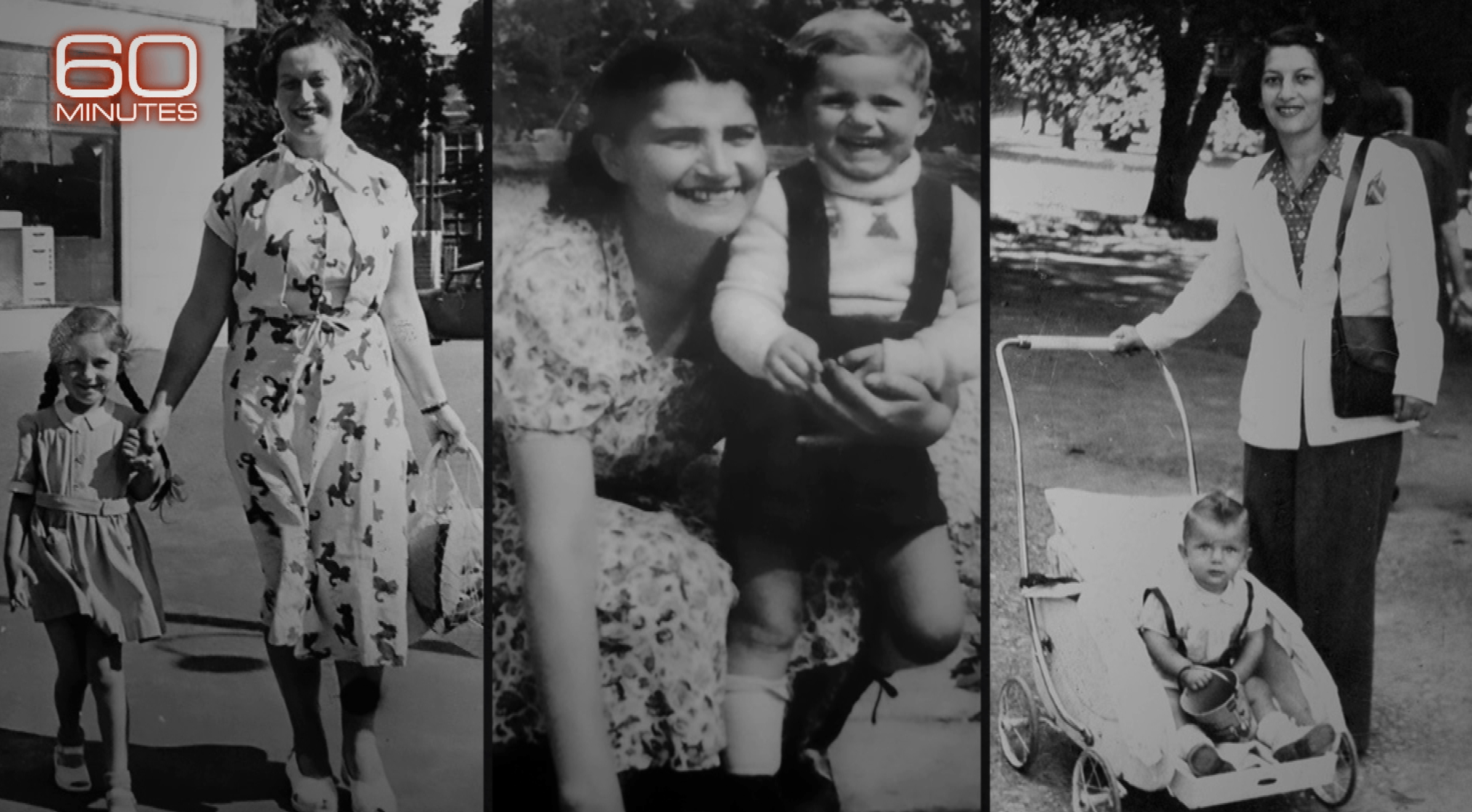
60 Minutes revisits one of the most controversial international adoption stories of the twentieth century in “The Vatican’s Orphans,” an updated encore report airing on Sunday, July 12, 2026. Correspondent Bill Whitaker examines how thousands of Italian children were sent to the United States between the 1950s and 1970s under programs supported by Catholic organizations, despite many of them having living mothers who never intended to permanently lose their children.
Drawing on the research of author Maria Laurino, whose book The Price of Children chronicles the history of these adoptions, the report explores how social stigma, post-war poverty and international adoption policies combined to separate families for decades. The segment also follows adoptees who continue searching for their biological relatives long after arriving in America as infants and young children.
Post-War Italy and the Stigma Facing Unwed Mothers
The adoption program emerged during a period of enormous social and economic upheaval in Italy. Following World War II, much of the country was rebuilding from widespread destruction, unemployment remained high, and many families struggled financially.
For unmarried women, the challenges were even greater. Italy’s deeply conservative society, heavily influenced by Catholic teachings, attached significant stigma to pregnancies outside marriage. Single mothers often faced rejection from their families, discrimination within their communities, and few opportunities to raise a child independently.
Many women were encouraged—or pressured—to enter maternity homes operated by Catholic charities and religious institutions. While some sought temporary assistance during pregnancy, many later discovered that reclaiming custody of their children proved far more difficult than they had expected.
The social attitudes of the era meant that adoption was frequently presented as a way to provide children with stable homes while allowing mothers to avoid public shame. In reality, many women maintained that they never intended to permanently surrender their parental rights.
How Thousands of Children Came to America
Between approximately 1950 and 1970, thousands of Italian children were placed with American Catholic families seeking to adopt. Many entered the United States using orphan visas, legal documents intended for children who had lost both parents or had no living caregivers.
According to later investigations and historical research, many of these children did not meet that definition. Numerous birth mothers were still alive and continued searching for the sons and daughters they believed had only been placed in temporary care.
Catholic adoption agencies in both Italy and the United States worked together to facilitate many of these international placements. American families, many of whom had no reason to question the information provided to them, believed they were adopting genuine orphans in need of permanent homes.
The adoptions reflected the growing demand among American couples during the post-war baby boom. At the same time, international adoption laws and oversight remained far less developed than they are today, creating circumstances that allowed questionable practices to continue for years.
The Role of the Vatican and Catholic Charities
The Vatican itself did not directly process individual adoptions, but Catholic institutions played a significant role in caring for unmarried mothers, housing children, and working with adoption organizations that arranged placements overseas.
Church-run maternity homes provided shelter for women during pregnancy, while religious organizations often served as intermediaries between Italian institutions and American Catholic charities seeking adoptive families.
Critics have argued that the system prioritized finding Catholic homes for children over preserving biological families whenever possible. Supporters of the institutions involved have maintained that many decisions reflected the legal standards and social expectations of the period rather than deliberate efforts to deceive families.
The controversy has remained sensitive because many of the organizations involved no longer exist, records are incomplete, and participants often have differing recollections of events that occurred more than half a century ago.
Maria Laurino’s Investigation
Much of the modern understanding of the adoption program stems from journalist and author Maria Laurino, whose book The Price of Children: Stolen Lives in a Land Without Choice examines the history behind these international placements.
Laurino spent years researching archival records and interviewing birth mothers, adoptees, adoptive families and religious officials. Her work documents the personal stories behind the statistics while exploring the broader historical forces that allowed the program to develop.
Rather than focusing solely on legal questions, Laurino examines how poverty, gender inequality and social expectations influenced decisions made by families and institutions alike. Her research also highlights the emotional consequences that continued long after the adoptions were finalized.
Her findings have helped bring renewed attention to a largely overlooked chapter in both Italian and American adoption history.
The Lifelong Search for Identity
For many adoptees, discovering that they were not actually orphans has raised profound questions about identity and belonging.
Some spent decades believing their parents had died before eventually learning they had living mothers, siblings or extended families in Italy. Advances in DNA testing, online genealogy databases and social media have made family reunions increasingly possible, though many searches remain unsuccessful because records are incomplete or unavailable.
Birth mothers who survived into old age often described decades of grief, believing they would never again see the children taken from them. Some continued searching throughout their lives, while others remained unaware that their children had been sent overseas.
Even when reunions occur, they can be emotionally complex. Language barriers, cultural differences and the passage of time mean families must navigate relationships shaped by decades of separation.
International Adoption Under Greater Scrutiny
The revelations surrounding Italy’s post-war adoption program form part of a broader international reassessment of historic adoption practices.
Over the past several decades, investigations in countries including Ireland, Spain, South Korea, Chile and Australia have uncovered cases involving coerced adoptions, falsified records and children separated from living parents under questionable circumstances.
These cases have prompted governments and institutions to re-examine historical adoption policies, improve recordkeeping and strengthen safeguards designed to protect the rights of both children and birth families.
Modern international adoption is subject to far greater legal oversight than during the mid-twentieth century, including international agreements such as the Hague Adoption Convention, which established standards intended to prevent child trafficking and ensure ethical adoption practices.
Why the Story Still Resonates
The story of the Vatican’s orphans continues to resonate because its consequences remain deeply personal for those involved. Many adoptees are still searching for answers about their origins, while surviving relatives continue hoping for reunions after decades apart.
The case also raises enduring questions about informed consent, institutional responsibility and the balance between finding homes for vulnerable children and preserving biological families whenever possible.
Through interviews with adoptees, historical experts and author Maria Laurino, 60 Minutes revisits a chapter of adoption history that continues to shape lives across two continents. The report highlights not only the historical circumstances that made these separations possible but also the ongoing efforts of families seeking truth, reconciliation and connection generations later.
60 Minutes airs Sunday, July 12, 2026, from 7:00 to 8:00 p.m. ET/PT on CBS. The updated encore episode will also be available to stream on Paramount+.
More 60 Minutes July 12 2026
- 60 Minutes Reports on “The Vatican’s Orphans”, “Sealand” & “Christopher Nolan” on July 12 2026
- The Vatican’s Orphans: 60 Minutes Investigates the Secret Adoption Program That Separated Thousands of Families on July 12 2026
- Sealand: 60 Minutes Visits the World’s Smallest Self-Proclaimed Nation on July 12 2026
- Christopher Nolan: 60 Minutes Profiles the Visionary Director Behind The Odyssey on July 12 2026
More Feature Articles
- “The Bluegrass Mystery”: Dateline NBC Reports on Ella Jackson Homicide July 10 2026
- “House of Cards”: 20/20 Reports on Angel Goyena & Vonda Goyena Homicides July 10 2026
- “Chameleon”: Dateline NBC Examines the Two Missing Wives of Convicted Killer John Smith July 11 2026
- “My Mother’s Murder Trials”: 48 Hours Investigates the Dana Chandler Case on July 11 2026
- 60 Minutes Reports on “The Vatican’s Orphans”, “Sealand” & “Christopher Nolan” on July 12 2026